· 4 min read
Luxury hotel furniture: leaving the catalogue without blowing the budget (be unreasonable in one place only)
By Alexis Grimaud
Hotels have a furniture problem nobody admits: the same catalogue armchair, in the same bouclé, in the same lobby, from Lisbon to Dubai. Guests do not complain. They simply forget where they slept.
Our opinion: you do not leave the catalogue by spending more everywhere. You leave it by splitting the project in two, and being unreasonable in only one half.
The Egg was a hotel chair
Some of the most famous lounge chairs of the 20th century were ordered for a hotel. Arne Jacobsen designed the Egg and the Swan in 1958 for the SAS Royal Hotel in Copenhagen, which opened in 1960 with Jacobsen behind the building and almost everything inside it.
The Egg and the Swan went into standard production. The Drop chair, drawn for the same hotel, was made only in a small series for the hotel itself, and Room 606 has since been restored to Jacobsen's original design.
You do not need to commission a total design to learn the lesson. The pieces people remember were drawn for a place, not picked from a list.
Split the budget: the remembered and the repeated
Every hotel has two kinds of space. The remembered ones: the lobby, the bar, the restaurant entrance, the suite. And the repeated ones: forty, eighty or two hundred rooms that must all look the same on the booking site.
A unique piece makes sense once, where every guest walks past it. The same idea multiplied by eighty rooms becomes either a fortune or a compromise. That is where an edition does the work.
So the rule is simple: one signed piece per remembered space, and a well-drawn edition, in series, for everything that repeats.
The repeated rooms: an edition, made to order in series
This is the reason MS Editions exists. The furniture and lighting we edit ourselves are made to order, from a single piece to a full hospitality project, and finished by hand. We explained why a gallery started doing this in our article on MS Editions.
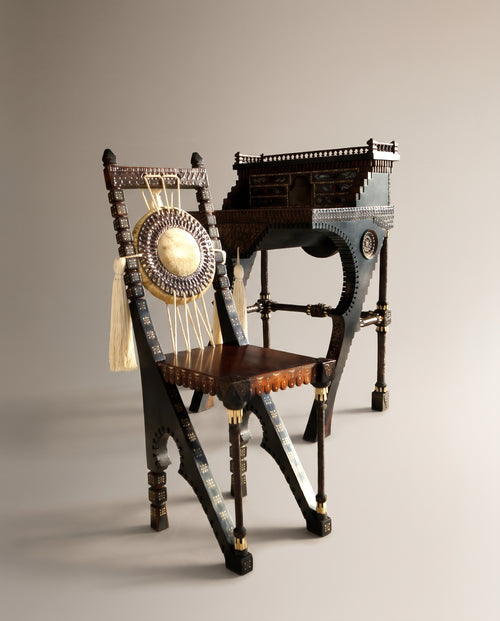
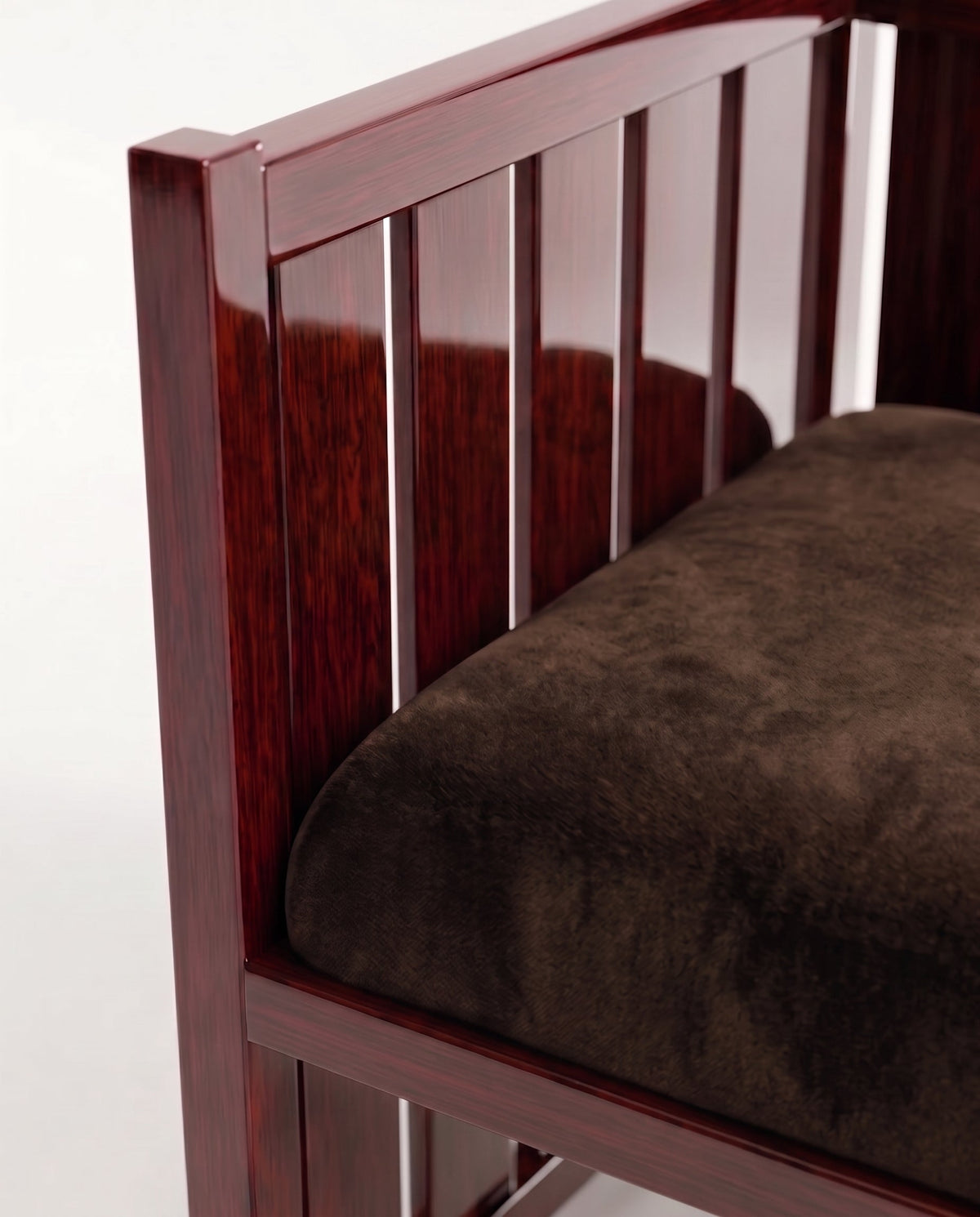
Take a room in the Cardinal collection, built on slatted frames in mahogany or black lacquer. Two bedside tables at around €900 each, two wall sconces at around €600 each, one armchair in green velvet at around €1,700: about €4,700 per room at the prices displayed on the site.
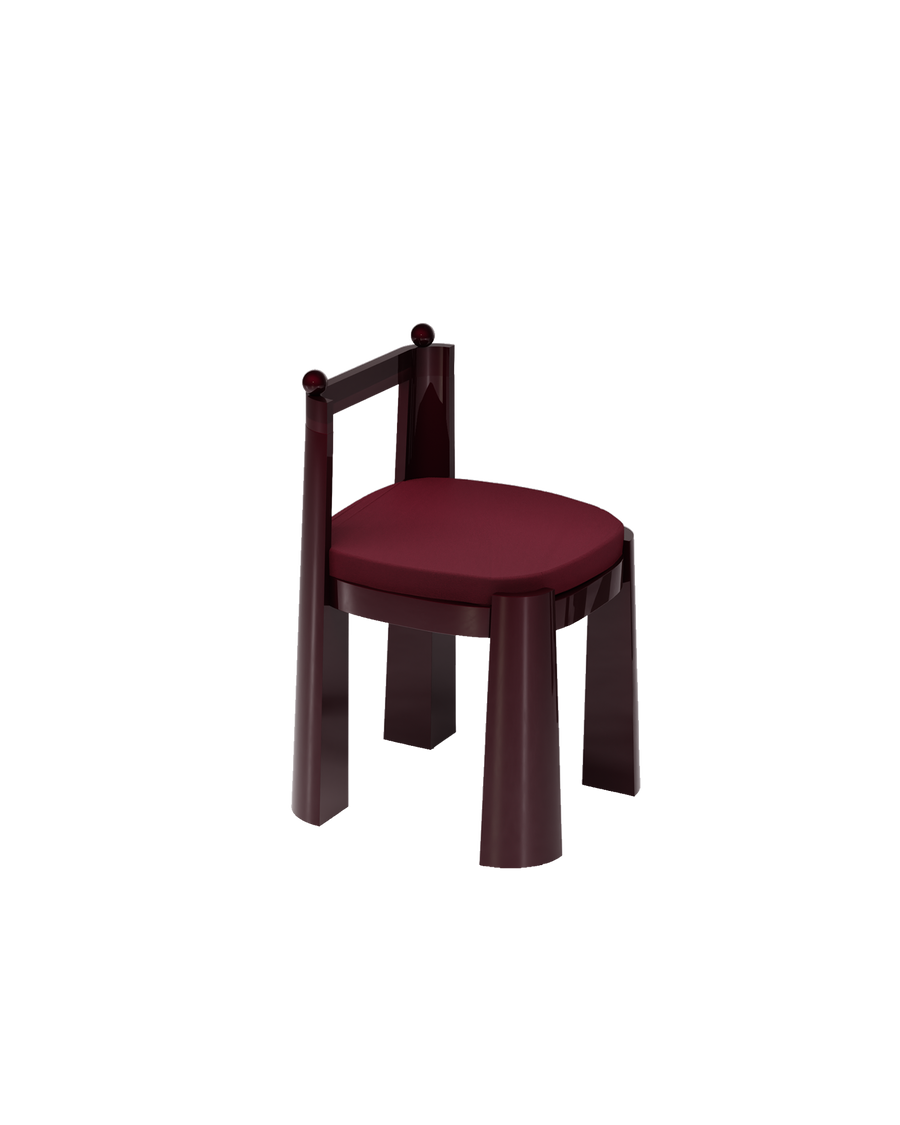
Add a Romance bench at the foot of the bed, a long upholstered seat on a scalloped skirt, at around €2,100 in ecru velvet. For the restaurant, the Cardinal dining chair is around €1,100 in velvet, which turns sixty covers into a spreadsheet rather than a gamble.
And because these pieces are made to order, finishes and dimensions can often be adapted with the designer. Leaving the catalogue sometimes just means a bedside table that fits your headboard.
The remembered places: one signed piece, not ten
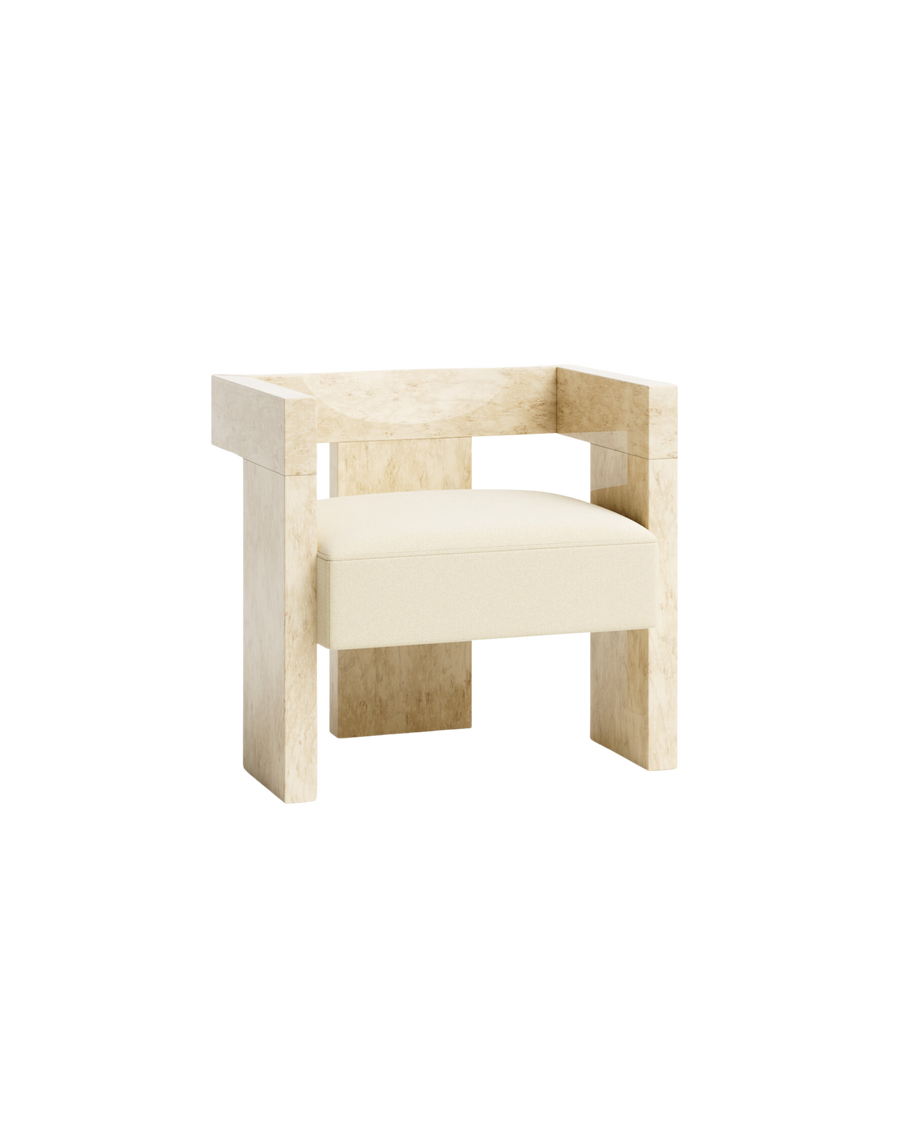
In the lobby, resist the urge to fill. One piece with real presence does more than a row of armchairs. The Moon Bench by Antoine Maurice is a long beech bench, pale and smooth on top, near-black and mineral underneath: a unique piece, made in France, in stock at our Paris showroom, at around €4,800.
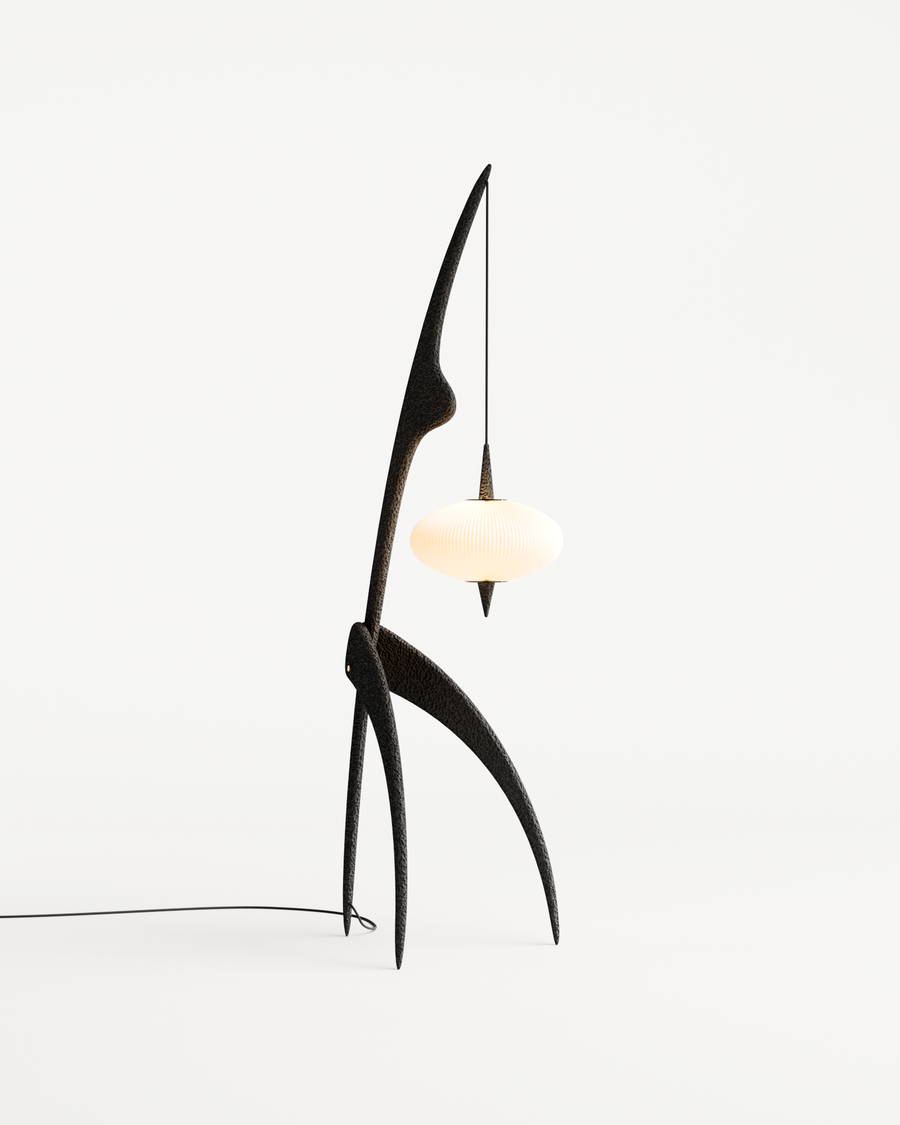
In the bar or the lounge, light does the casting. The Stellata floor lamp by François Bazin, created for Monde Singulier, sets a ribbed off-white shade on a brushed champagne steel stem and a concrete base. Around €4,900, also in stock in Paris, and it reads as a sculpture even with every other light in the room switched on.
Notice the arithmetic. One lobby bench costs roughly what a fully furnished Cardinal room costs. That is the trade: a few pieces people talk about, and rooms that are coherent without being identical to the hotel next door.
Prices shown on the site including VAT, November 2026.
The specs nobody puts on the mood board
A hotel is not a living room with more doors. Before anyone falls for a fabric, put three questions in the specification.
- Fire. Rules depend on the country. In the United Kingdom, BS 7176 places hotel bedrooms and restaurants in the medium hazard category for upholstered seating. Ask for the test certificate of each upholstered piece, ours included, and check it against local rules before upholstery starts.
- Wear. Ask for the Martindale rub count, the European abrasion test for upholstery fabrics. A lobby sofa works much harder than a suite armchair, and the fabric should be chosen accordingly.
- Cycles. Branded hotels typically replace soft goods on a seven-year cycle and carry out full renovations every 12 to 14 years, as HVS Asset Management's Neil Flavin told CoStar. Buy frames for the long cycle and fabrics for the short one.
That last point is where the budget quietly wins. A well-made chair gets reupholstered, not thrown away, and a frame that outlives two fabric cycles is cheaper than two catalogue chairs, even if it costs more on day one.
How to brief it without losing a season
Hotel projects fail on handovers, not on taste. Our Conciergerie for architects, designers and hotels runs sourcing, production and project management with one dedicated contact, then insured delivery and white-glove installation.
At concept stage, Brief to Board starts from a budget, a vibe and an installation date. It returns three options per location on a white-label board, with a consolidated quote within 24 business hours.
The full method is in our guide to FF&E procurement for luxury projects, and the trade side in our article on trade programs.
Where to start
Put your remembered spaces and your repeated rooms on one page, with a budget per key and an opening date. Send it to a Conciergerie advisor: you get back real pieces, real prices and a plan where the money goes where guests actually look.
The pieces we mention


A piece on your mind?
Prices, lead times, finishes: an advisor answers you personally.