YES, OFF COURSE - 09. 324 LAFAYETTE
by SAGARÍA
Are you a professional? Join our Trade Program now
They called it shared space, but that depends on where you sat.
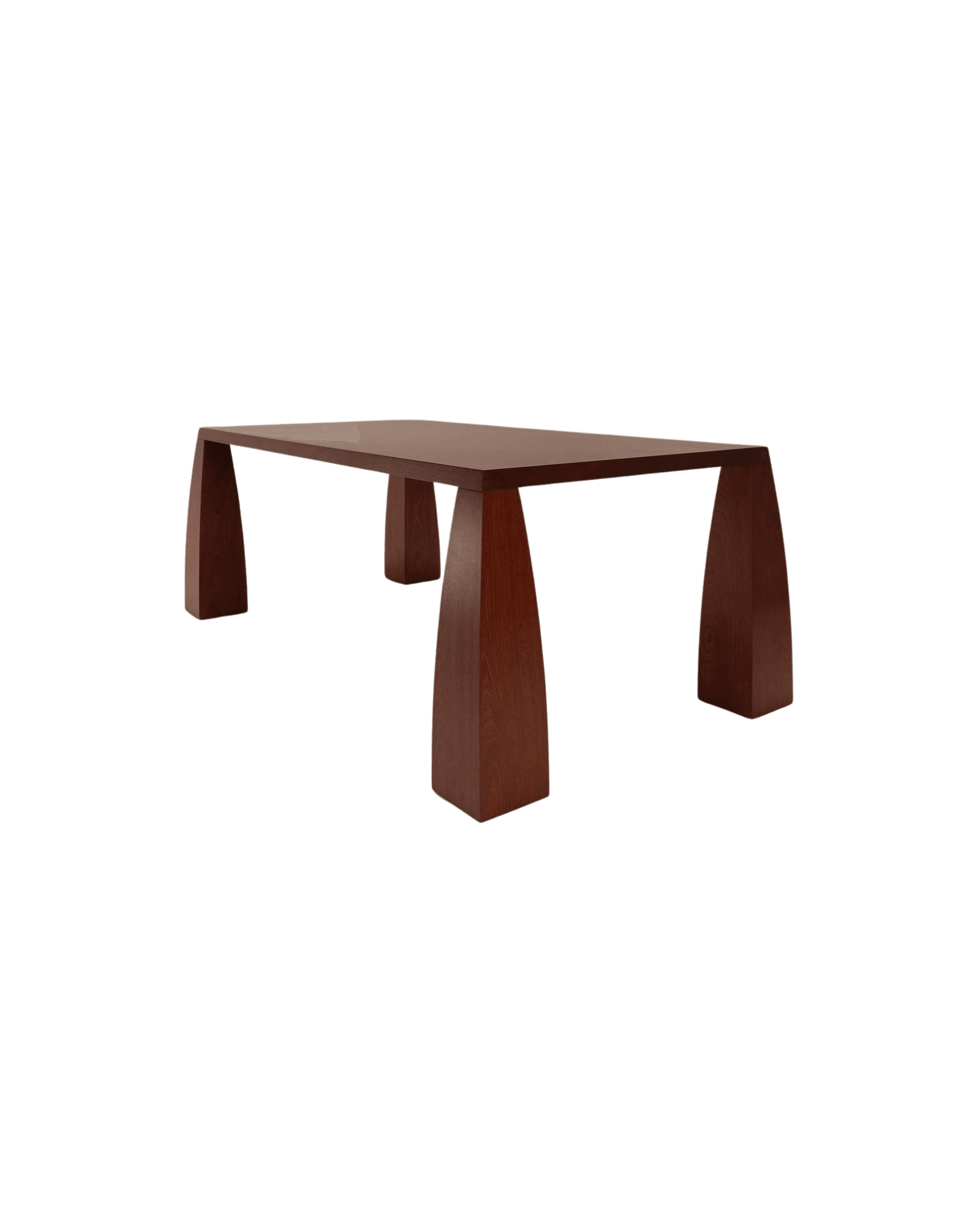
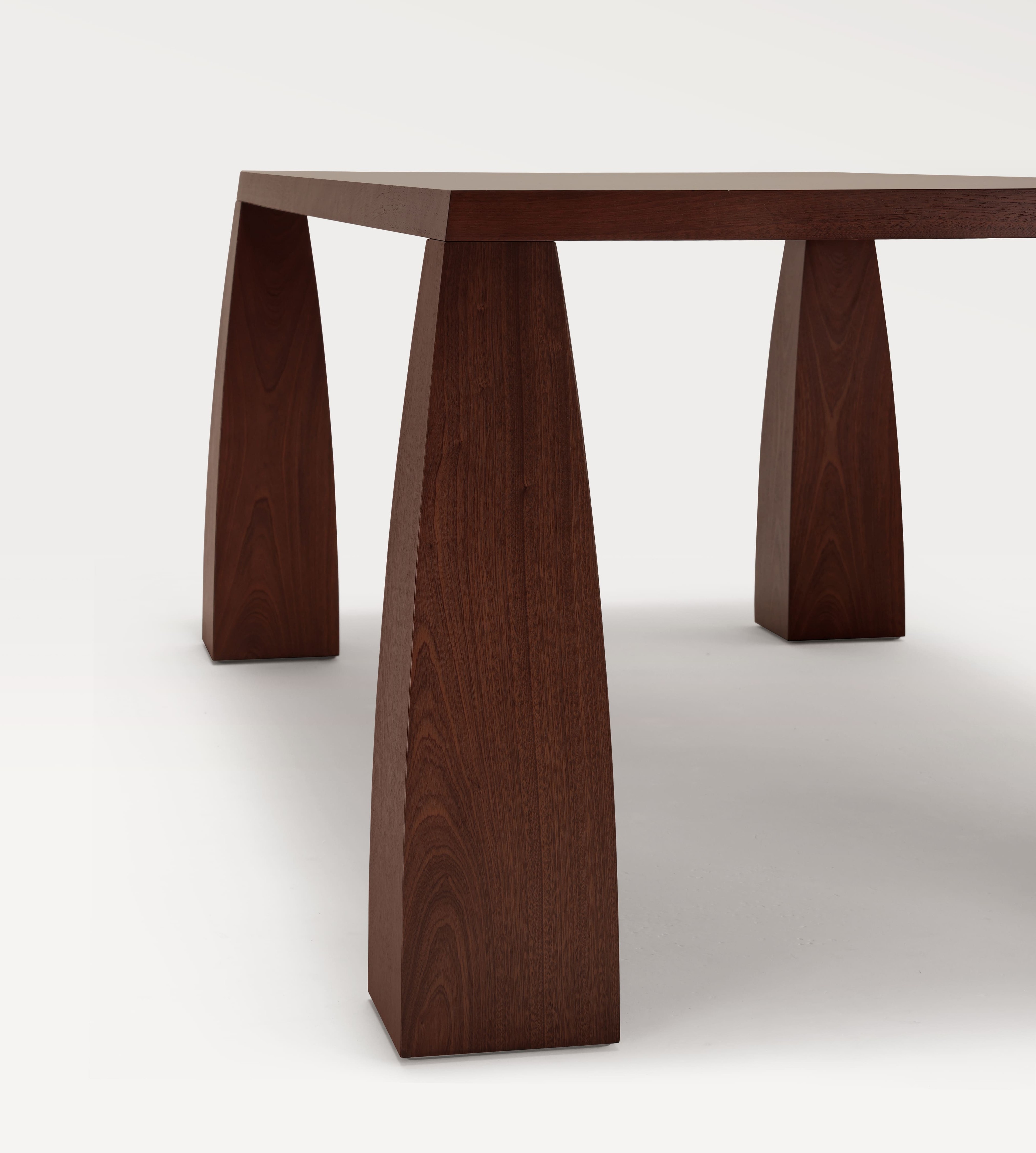
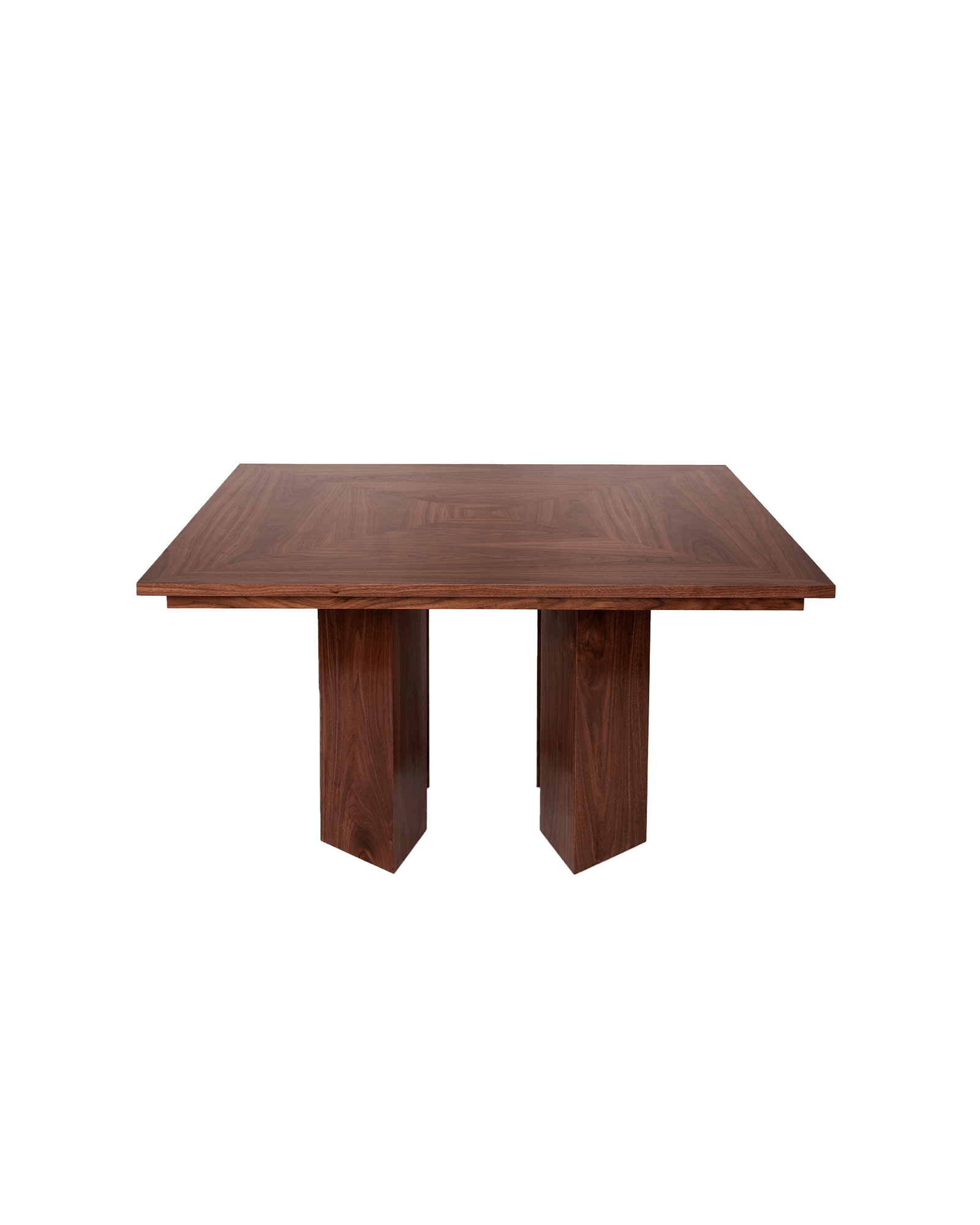
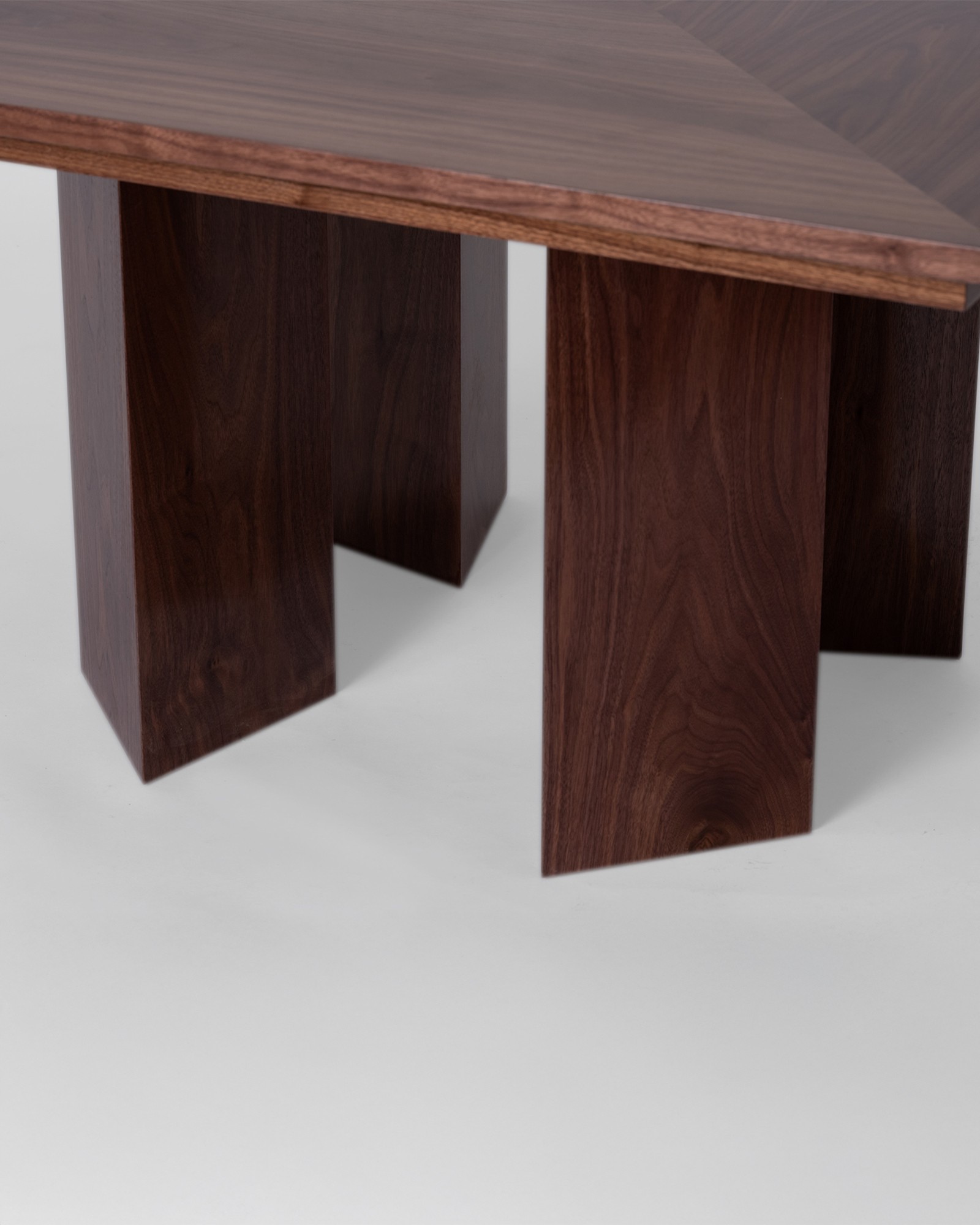
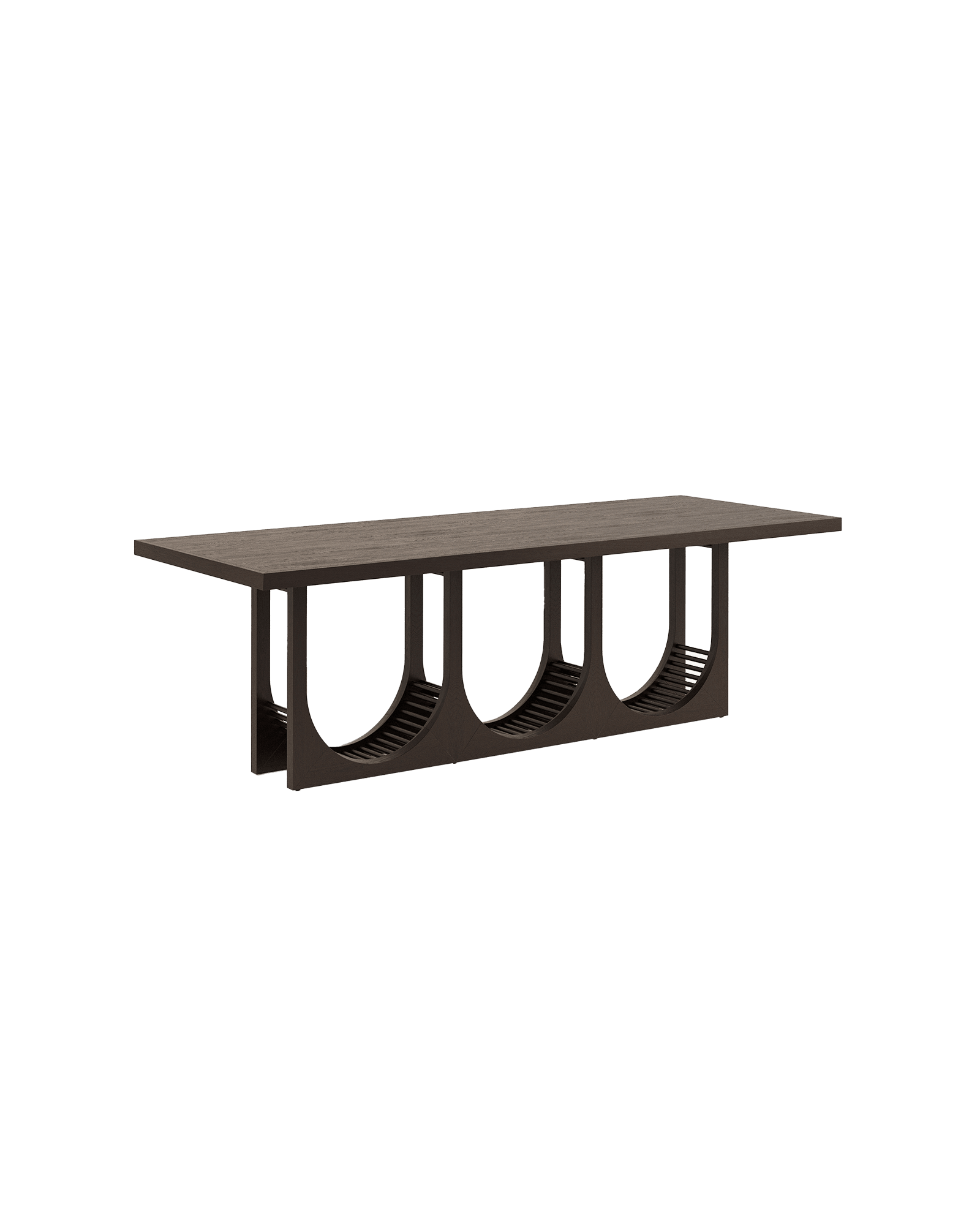
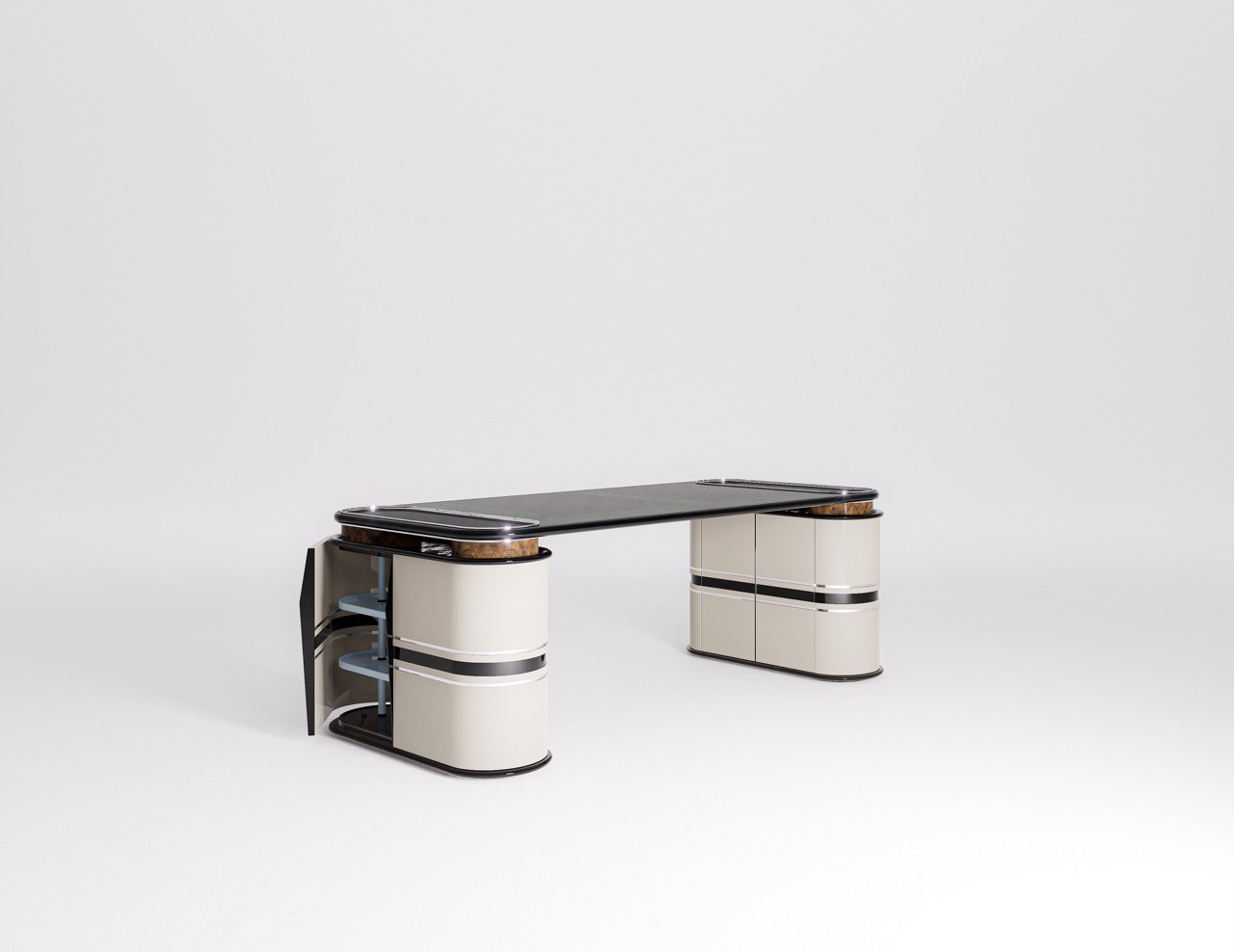
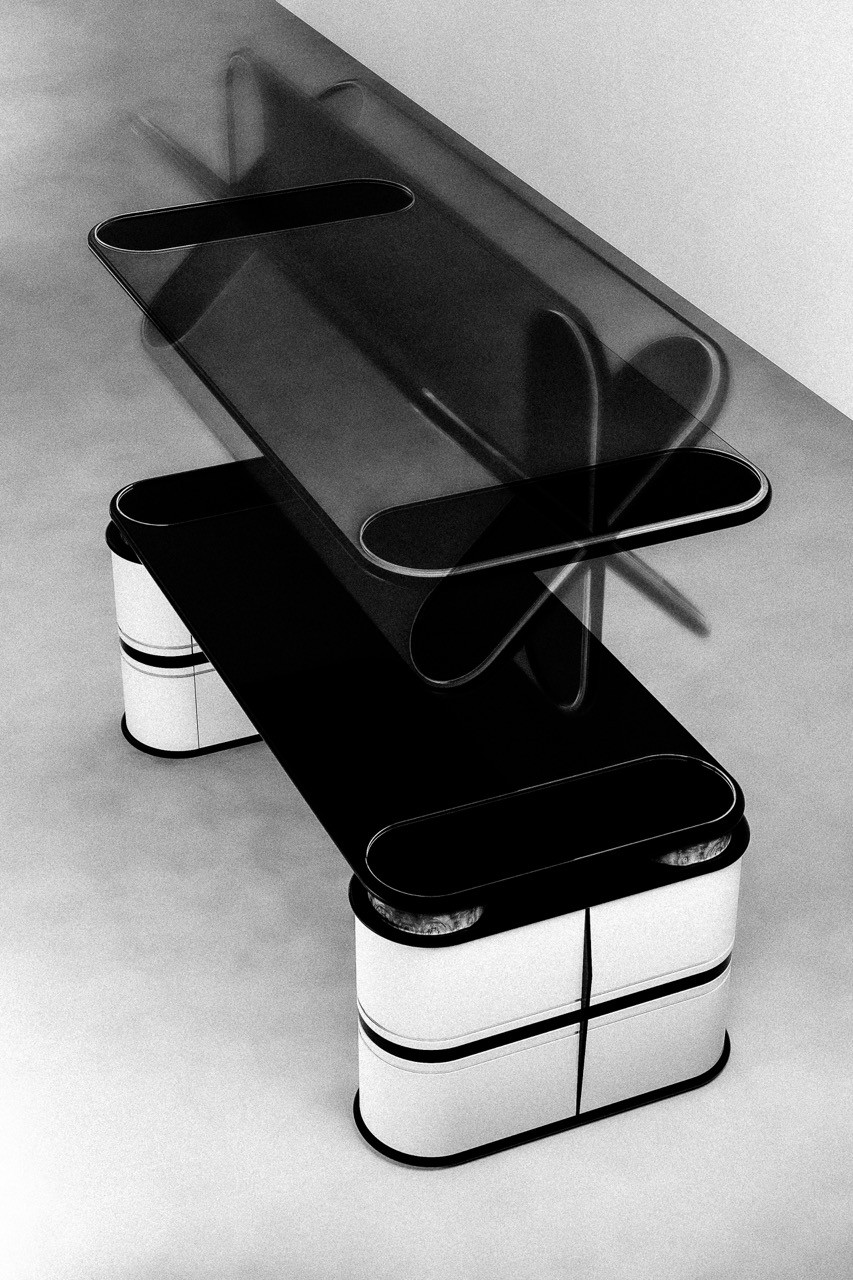
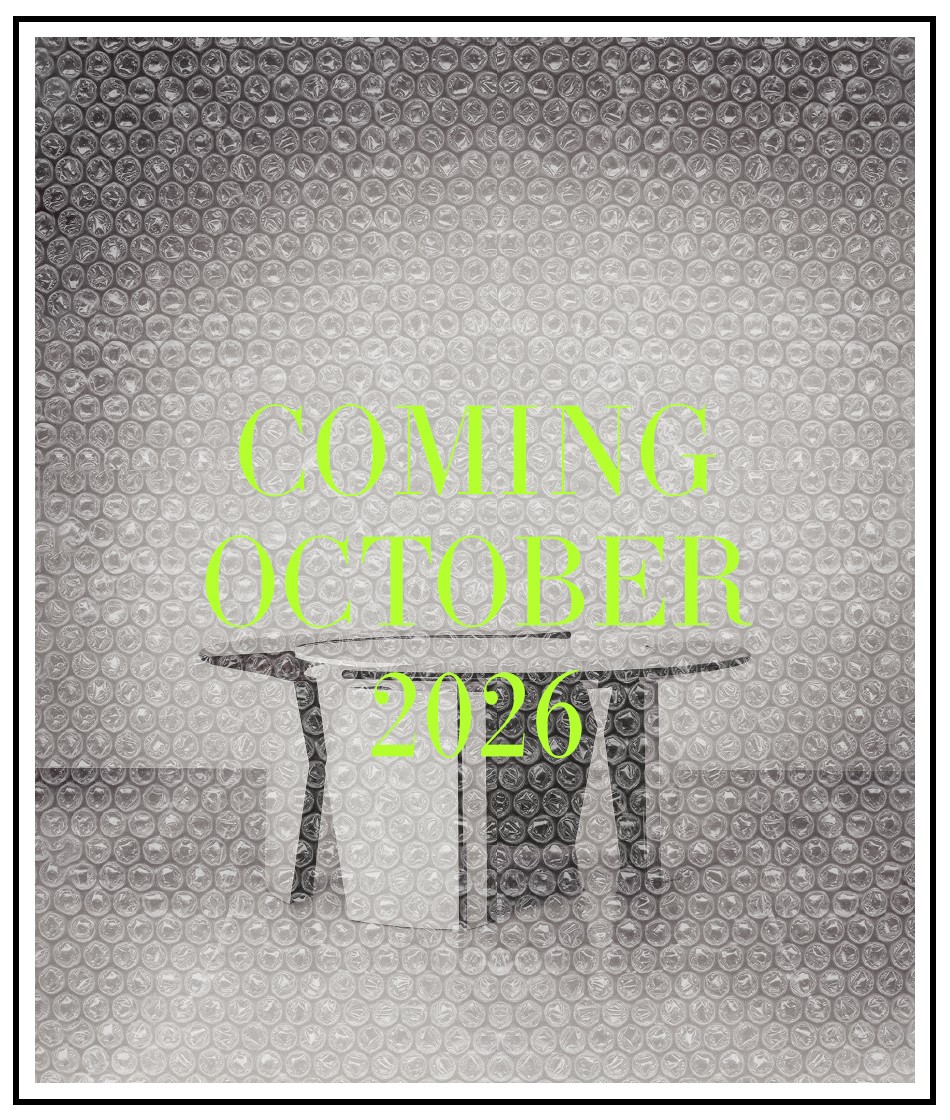
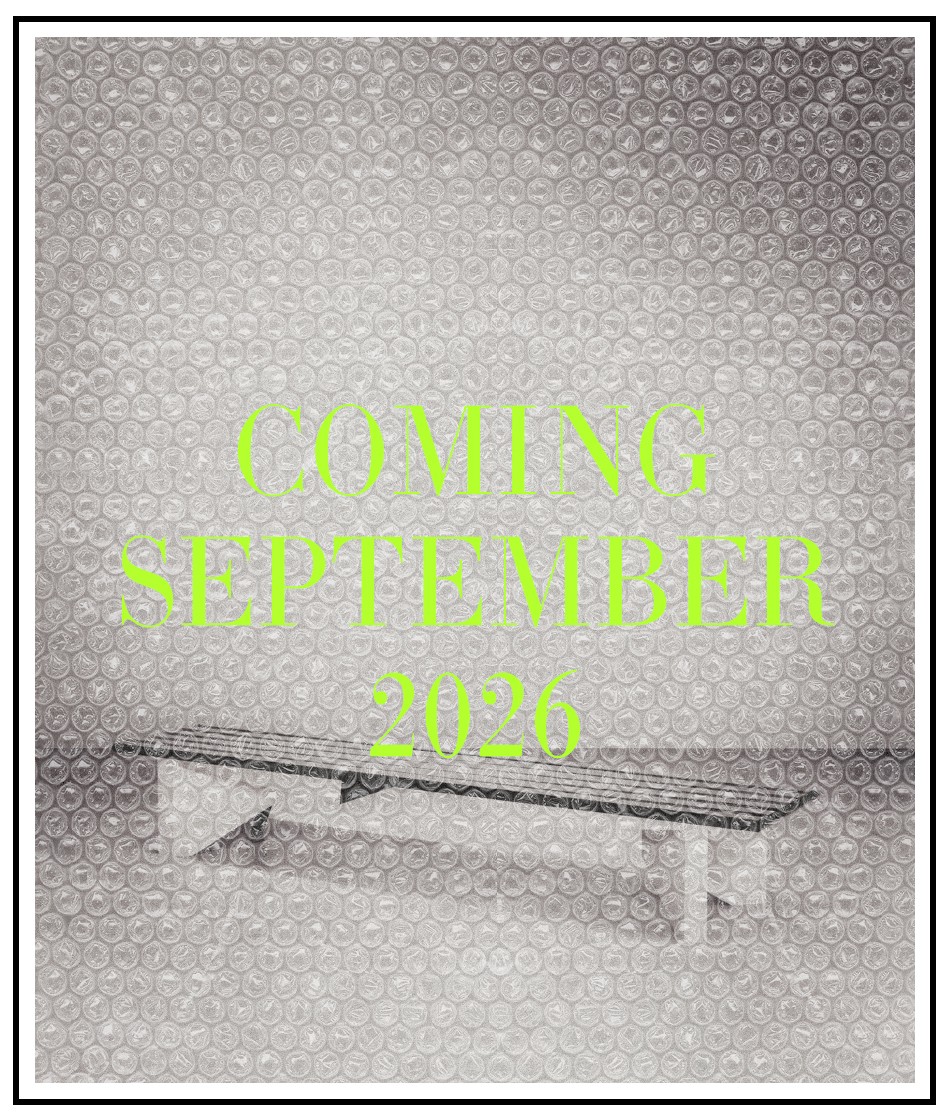
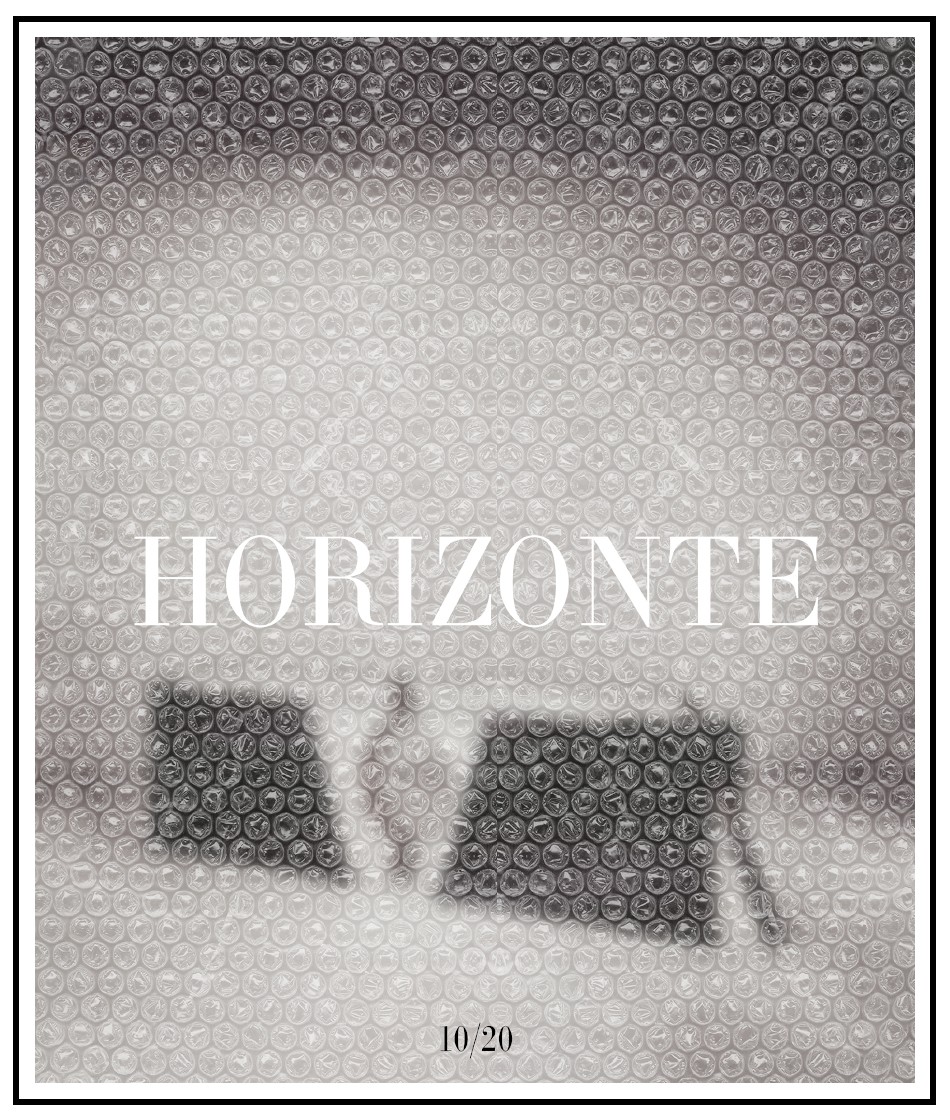
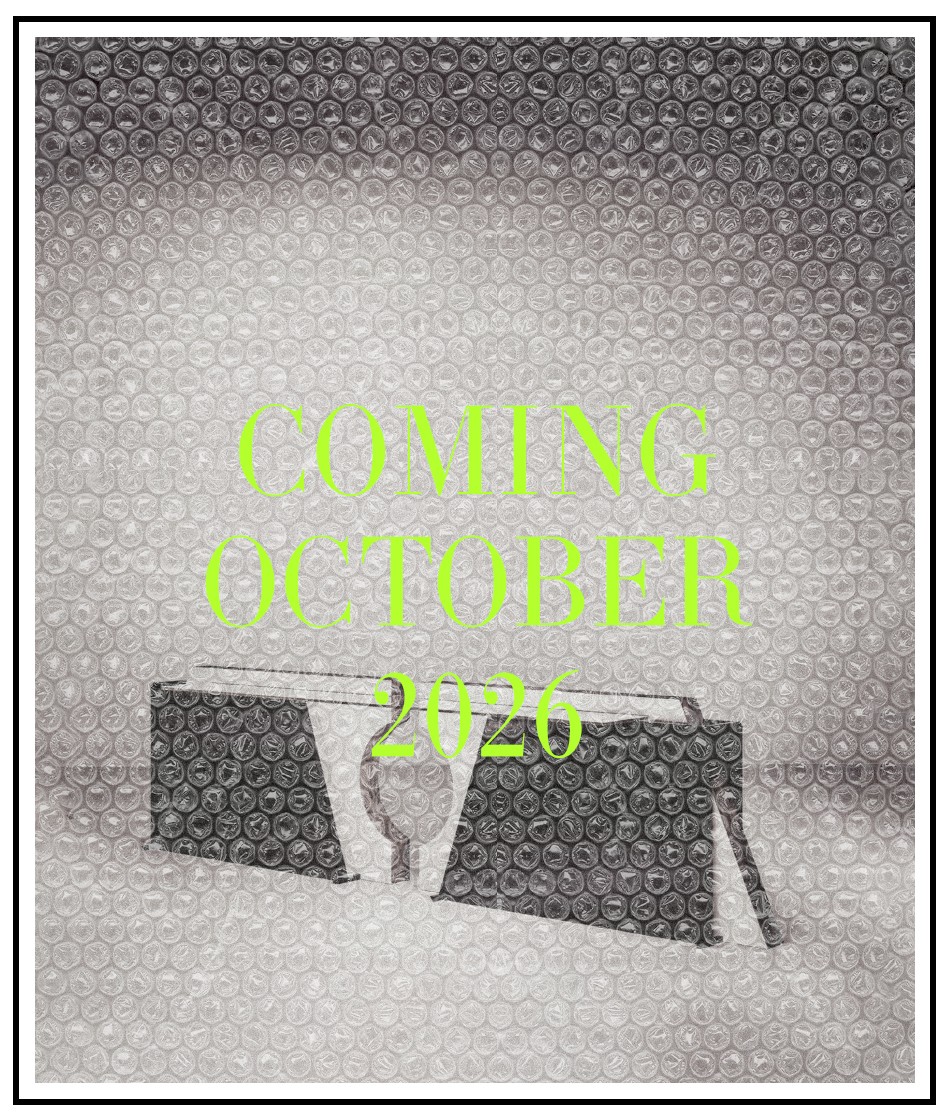
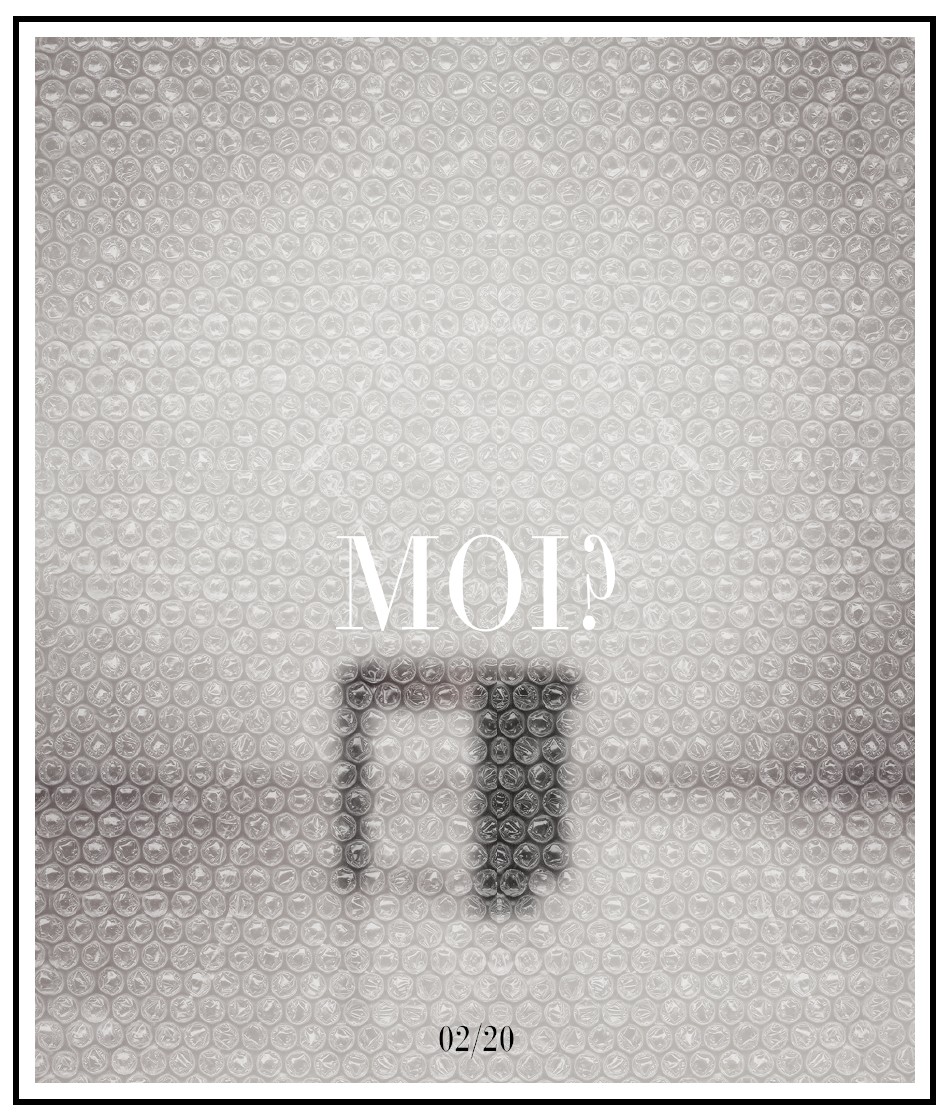
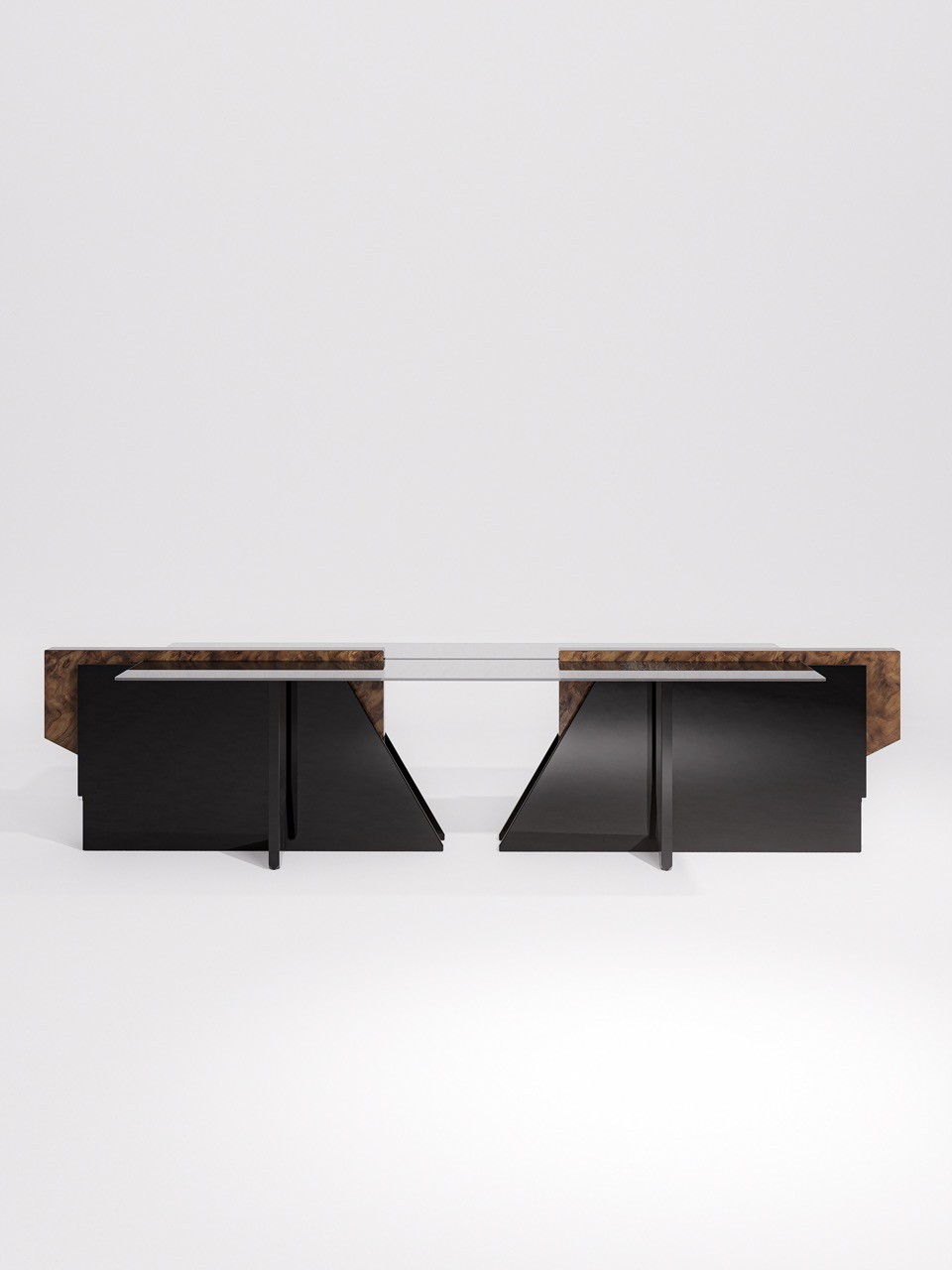
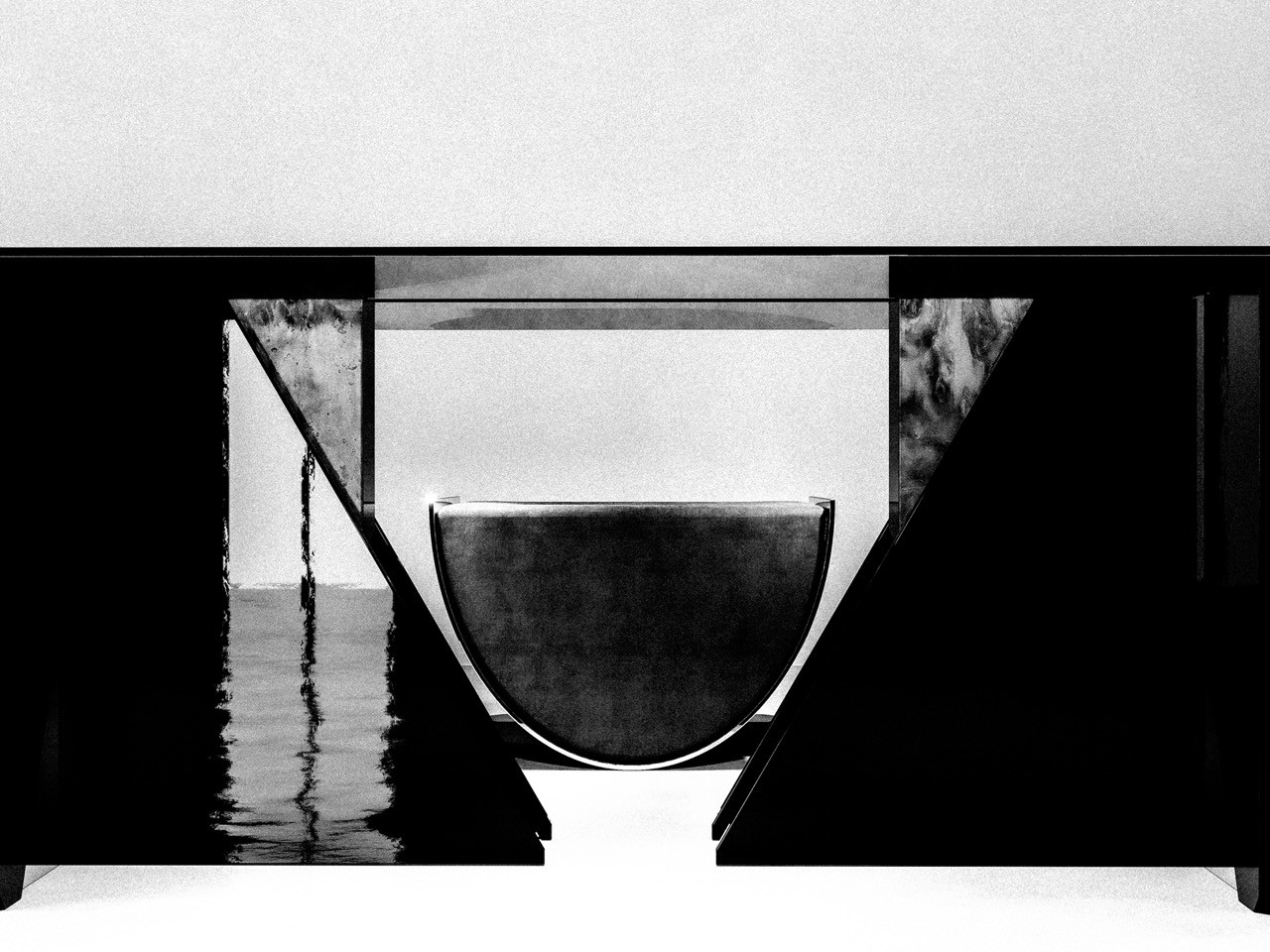
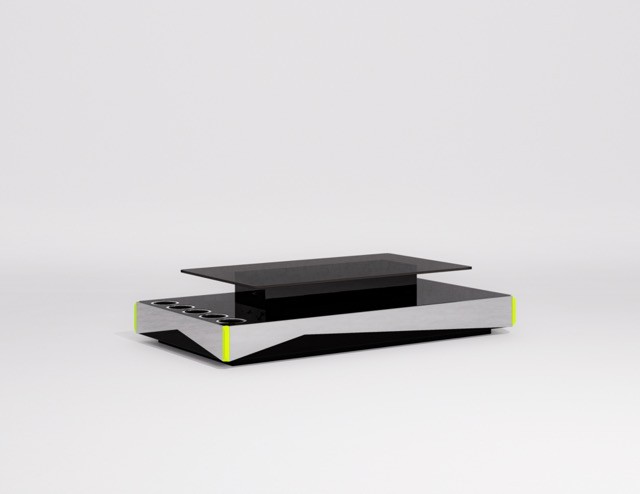
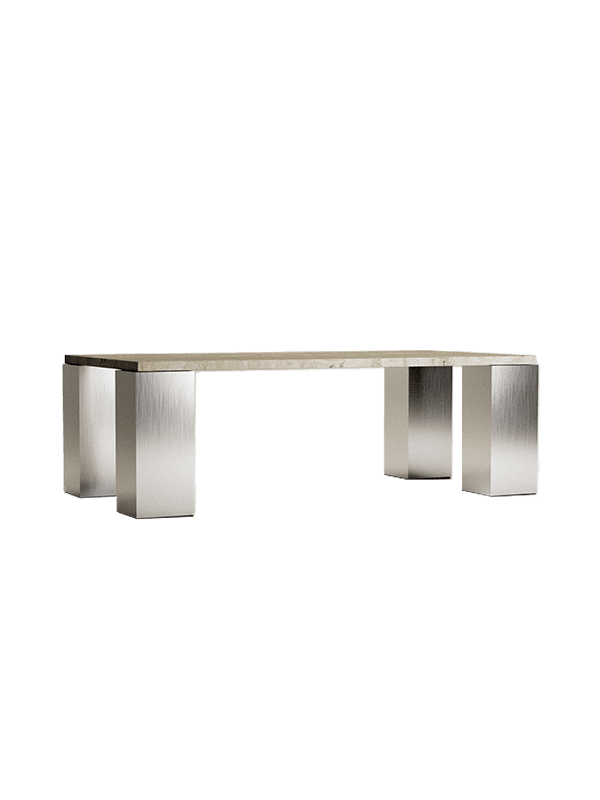
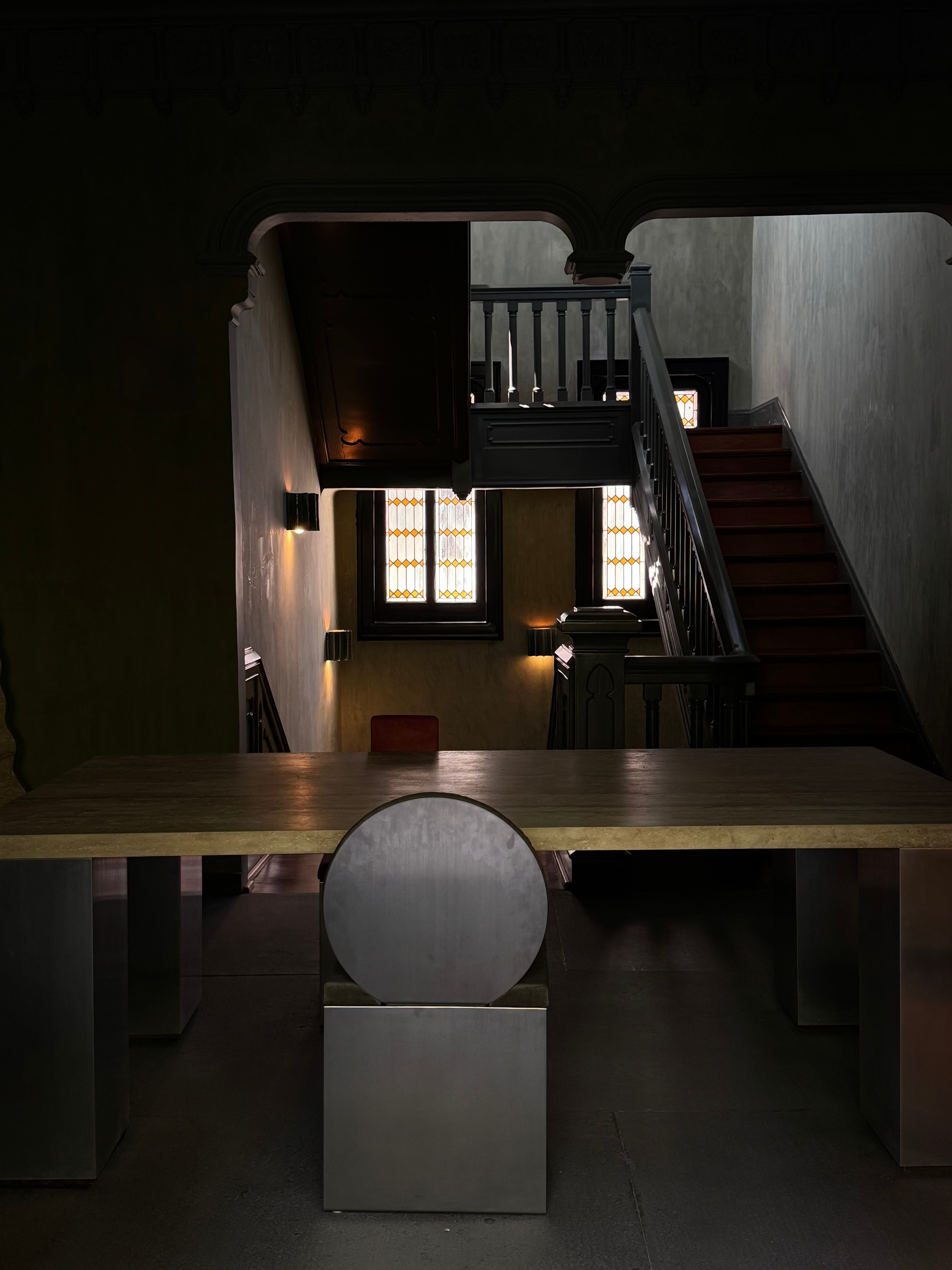
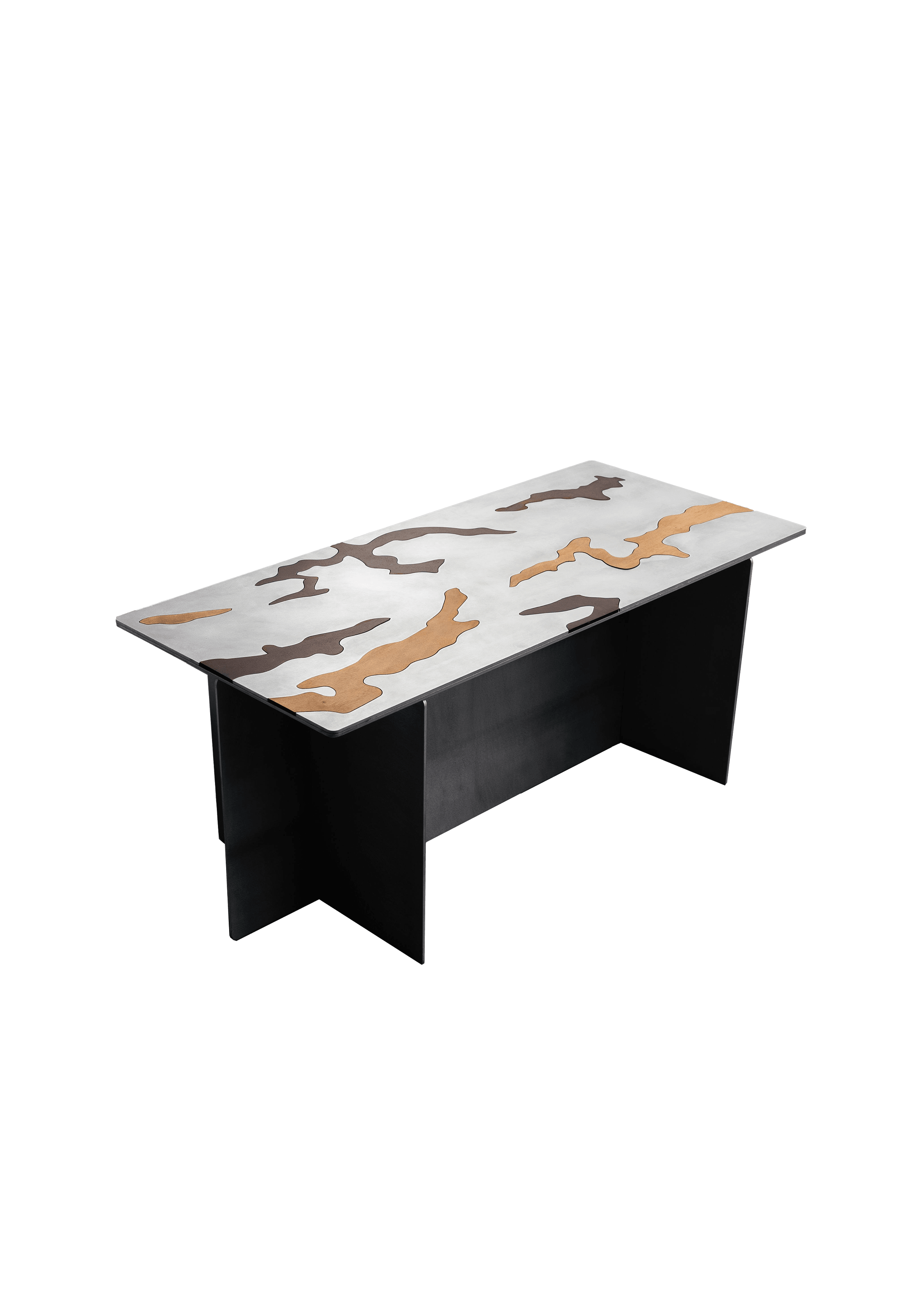
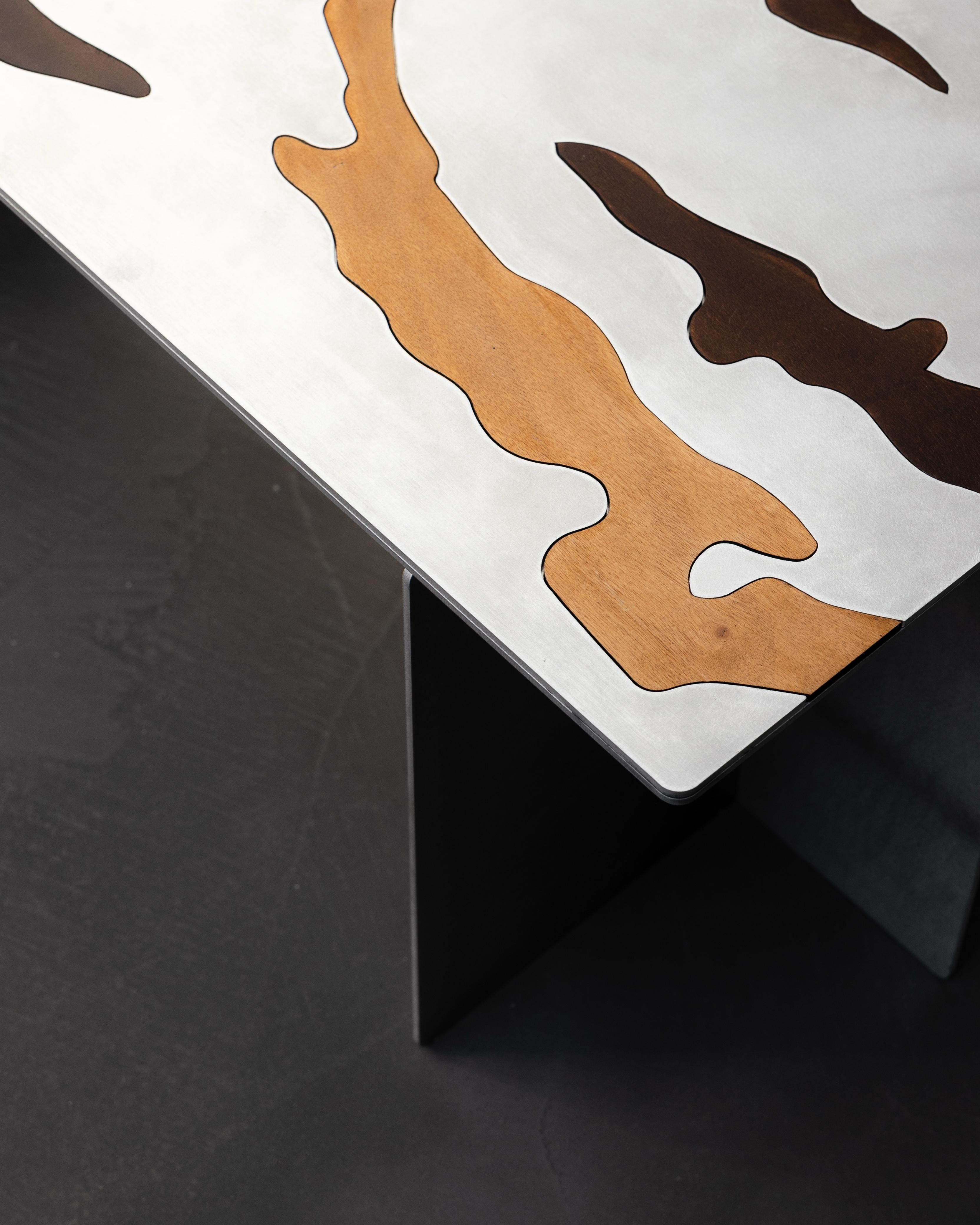
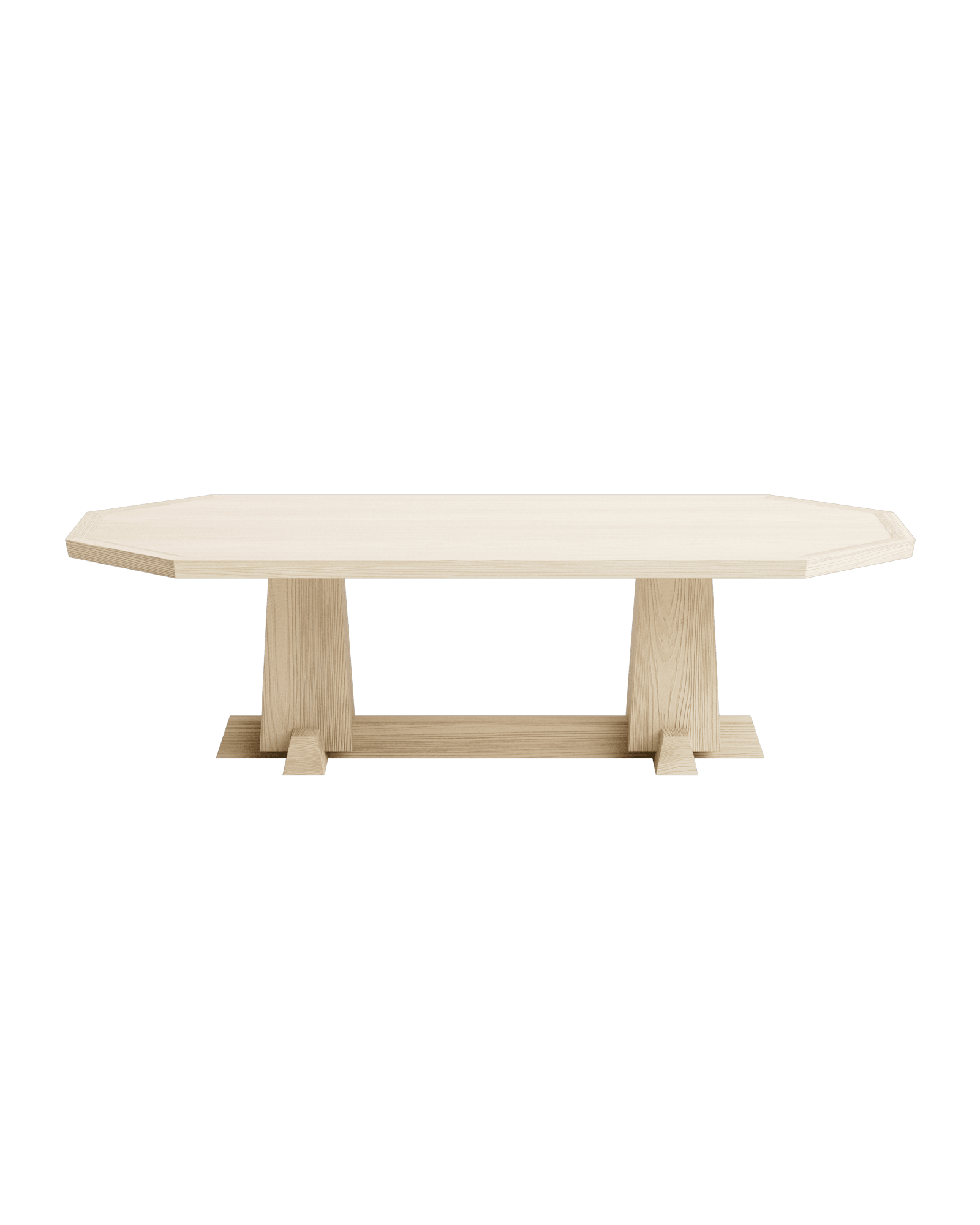
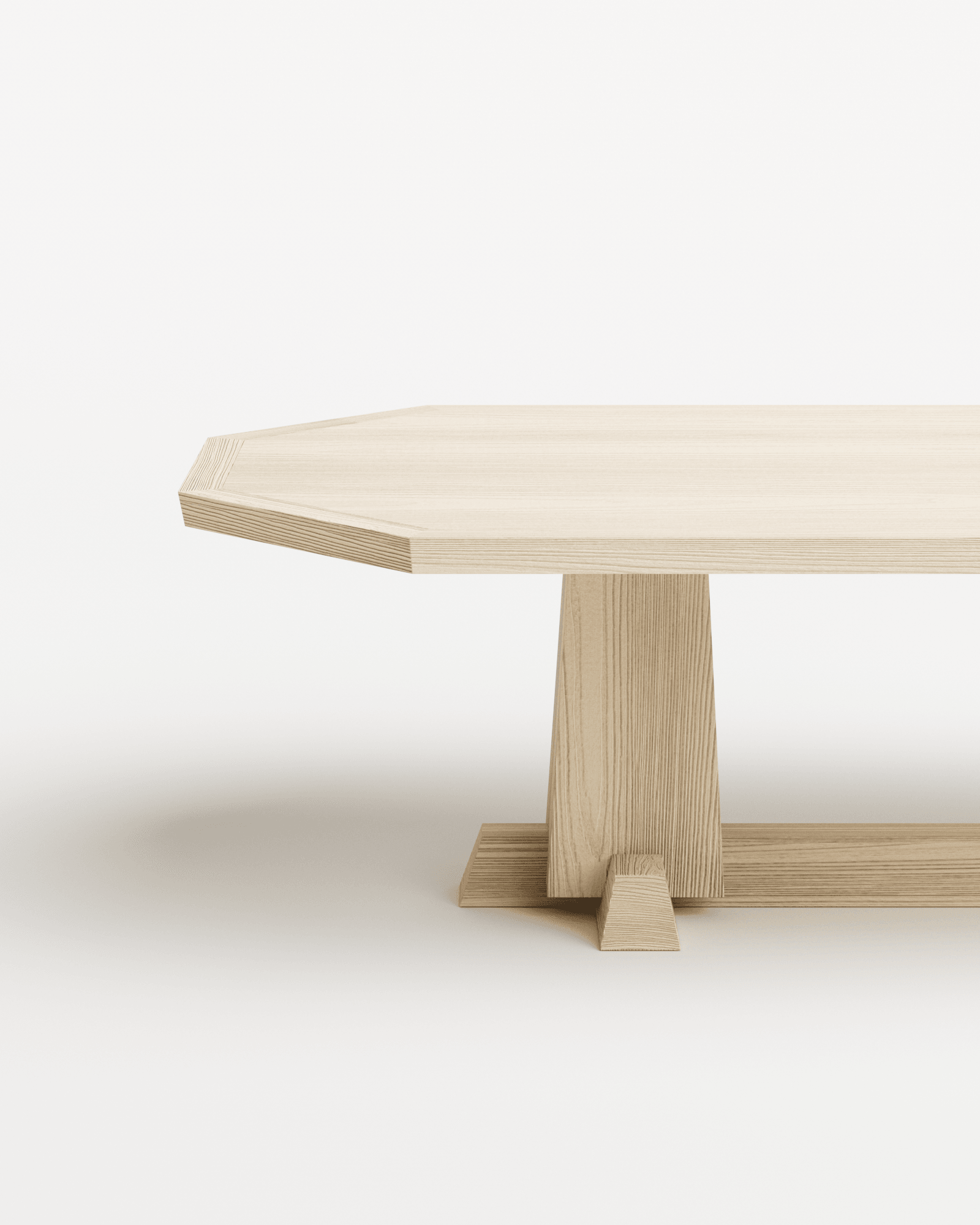
324 Lafayette is a dining table from the first drop of YES, OFF COURSE, composed of two lacquered and radica-clad bases held apart by a tinted glass plane. Its structure suggests symmetry, but never resolves it.
The table is organized around distance. The glass surface extends across the composition, but does not unify what happens below. The two sides remain in tension.
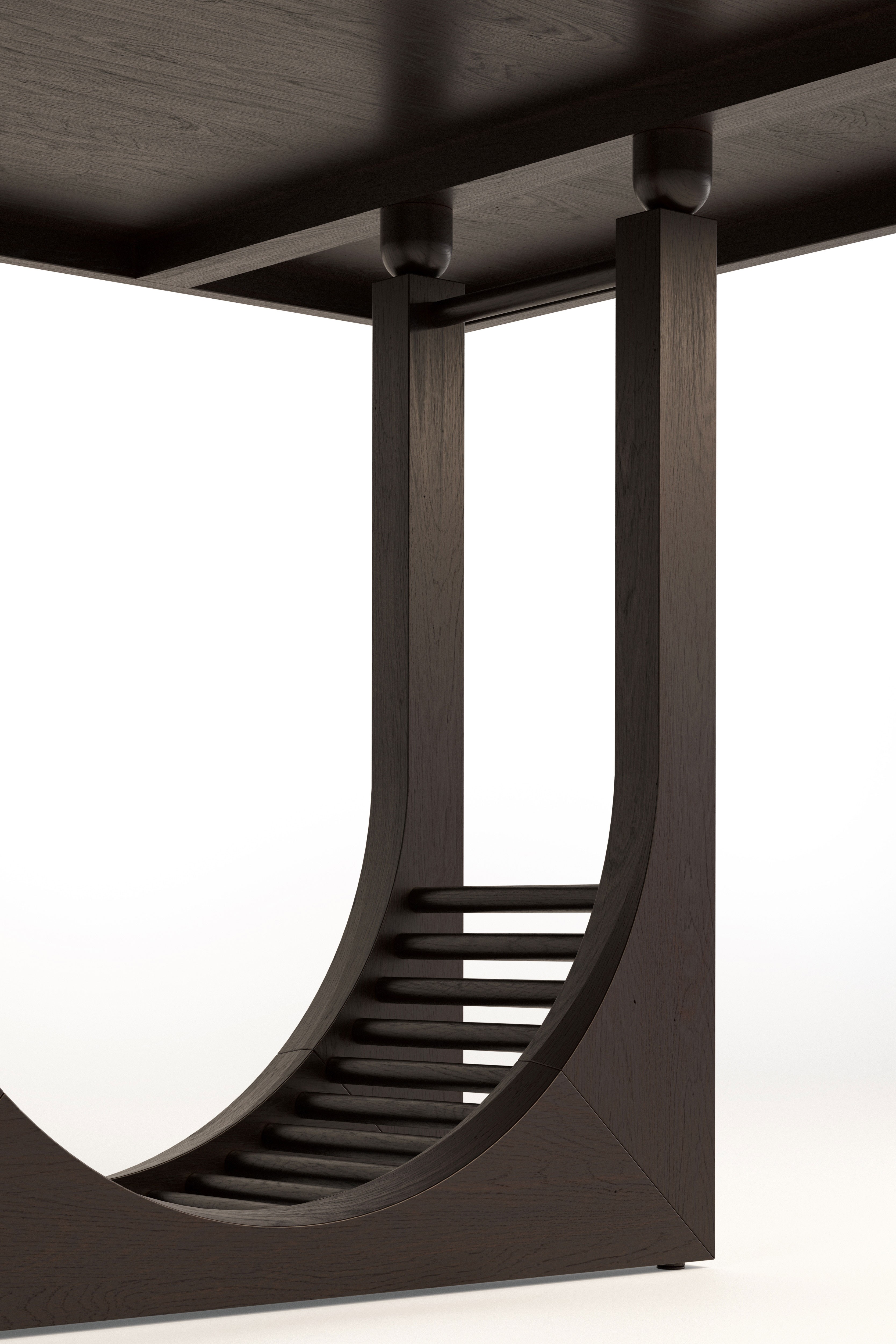
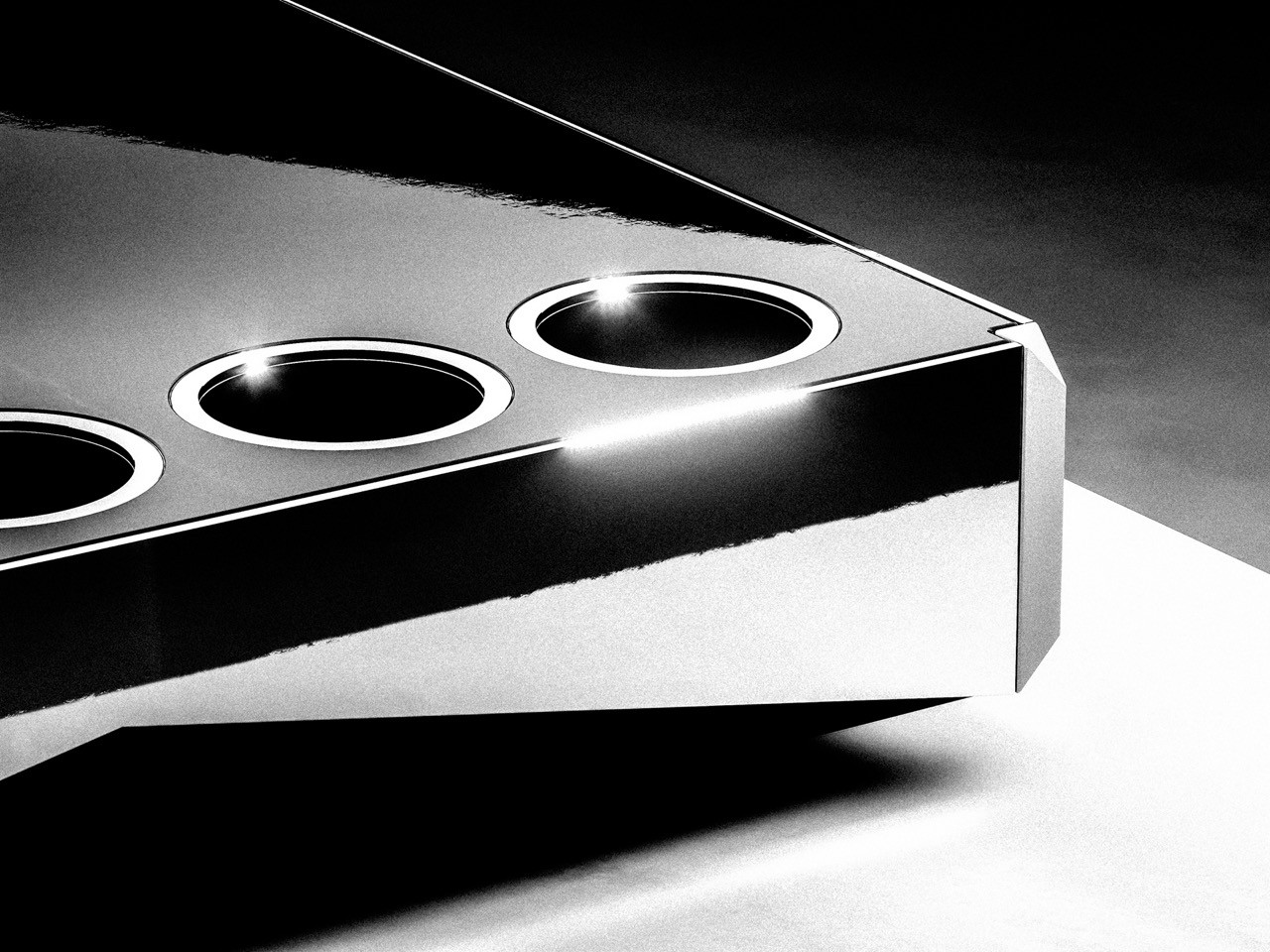
Piano-black lacquer, chrome metal, radica wood, and tinted glass define a composition that is frontal, extended, and deliberately incomplete.
324 Lafayette does not eliminate distance. It defines it
W 340 x D 100 x H 78 cm
W 133.86 x D 39.37 x H 30.71 in
Materials: Piano-Black Lacquer, Chrome Metal, Radica Wood and Tinted Glass
About
SAGARÍA
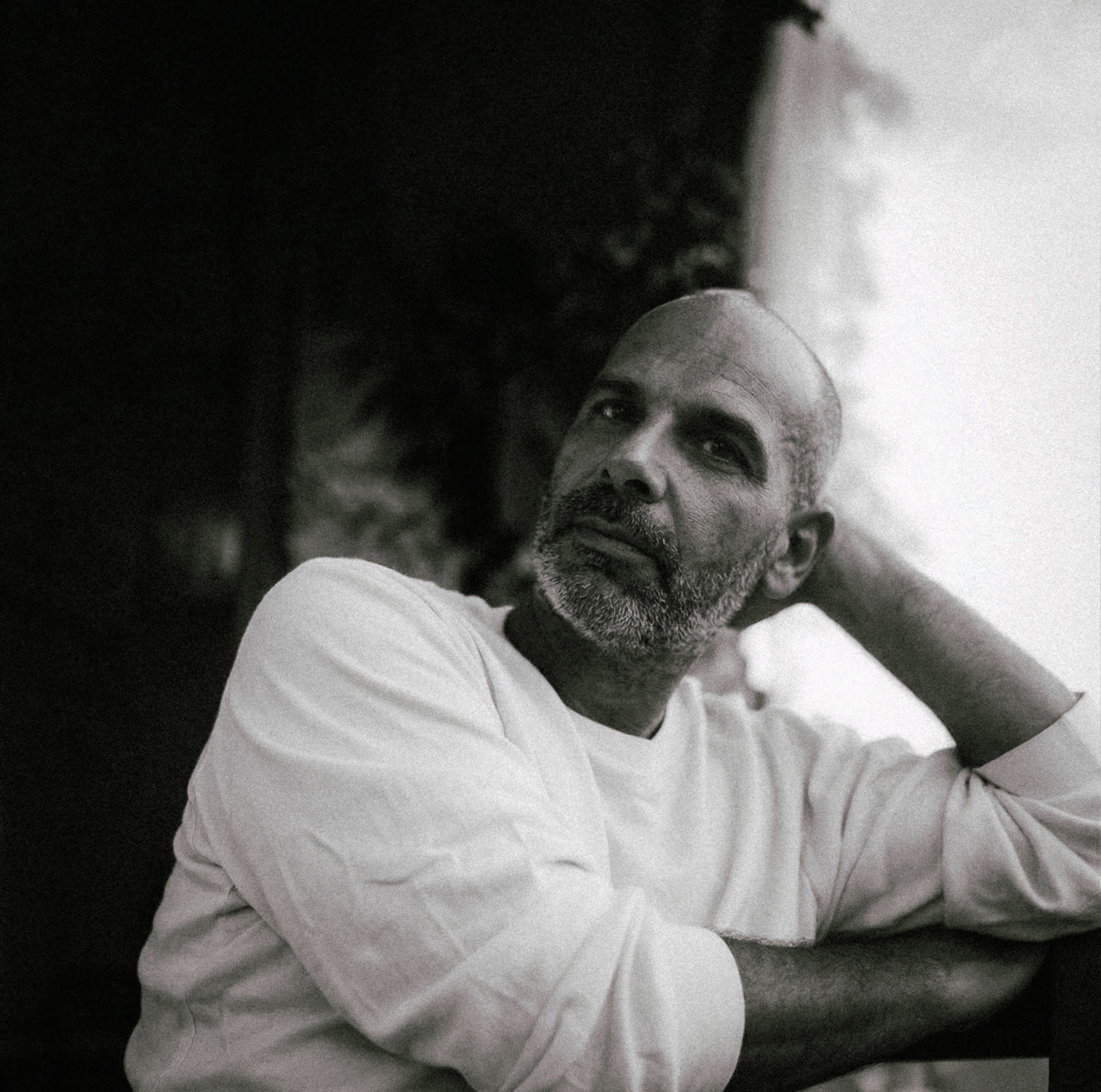
Matias Sagaria, founder of SAGARÍA.
SAGARÍA does not approach design as output.
It begins from the assumption that every object, every space, every gesture carries consequences. Not abstractly, but in the way people move, behave, remember: what is built remains, what remains shapes.
Before establishing his own practice, Matias Sagaria spent over a decade leading design across international hospitality, retail, and residential projects, working alongside studios such as Tonychi and Roman and Williams. That experience established a discipline where precision, narrative, and control are inseparable and where every decision carries weight.
What defines SAGARÍA is not a style, but a position.
The work moves away from a culture of acceleration, where objects, spaces, and images are produced to respond, to follow, to disappear.
Instead, it insists on care: care in time, in material, in construction, in thought, not as a value to declare but as a condition to operate within.
The work does not aim to simplify complexity, but to hold it: things are allowed to remain unresolved, layered, sometimes contradictory.
Designing becomes a way to construct worlds, places where dreaming is not confined to night, but given form, weight, and consequence.
Architecture, Interiors, and Design are not treated as separate disciplines, but as parts of the same continuous system, where each element informs the other and nothing exists in isolation. Precision is not used to simplify, but to sustain complexity. Materials are not applied, but worked until they carry weight. Geometry is exact, but never static.
At its core, the practice is driven by a pursuit of beauty not as harmony, but as the precise balance within what resists balance.
A condition where tension is not resolved, but held.
Nothing meaningful comes easily.
Nothing lasting comes from speed.
What remains is the only measure.









Discover more Dining Tables
Created for MS
Created for MS