Buying Guides
What Is Collectible Design? The Definitive Guide for 2026
What is collectible design?
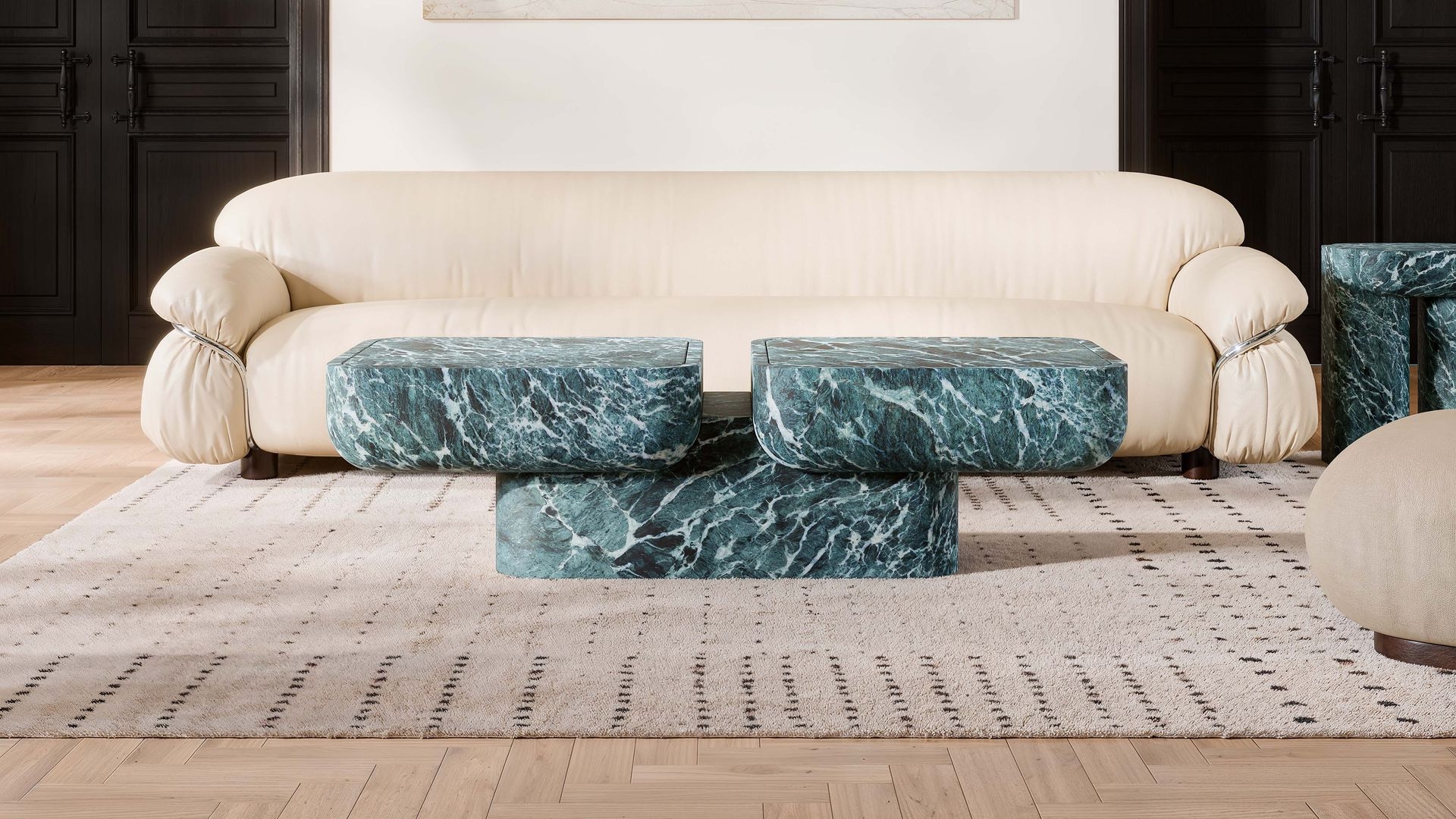
Collectible design is a category of limited-edition or unique functional objects (furniture, lighting, sculptural pieces) conceived by named designers with the intentionality of fine art. Specialized galleries like Carpenters Workshop Gallery and Friedman Benda represent these makers, and auction houses including Christie's, Sotheby's, and Phillips trade their work. Global auction sales in this category are projected to reach $65–70 billion by 2030.
Key points
- Collectible design sits between fine art and functional furniture: objects are usable, limited in edition, and created by named designers with artistic intent
- New York's June 2025 design auctions reached $65 million, a 64% increase year-over-year
- Key galleries include Carpenters Workshop Gallery, Friedman Benda, and Southern Guild; key fairs include Design Miami and COLLECTIBLE Brussels
- Starting a collection begins with research, gallery visits, and a single piece that resonates. Financial advisors recommend allocating 5–10% of a portfolio to collectibles
What makes a piece of design "collectible"?
Three criteria separate a collectible object from a well-made piece of furniture: rarity, authorship, and intentionality. Remove any one, and the object falls into a different category.
Most collectible works are produced in editions of 8, 12, or 20, or are entirely unique. Each carries the signature of a named creator. A Vincenzo De Cotiis console, forged from reclaimed industrial metal, or a Nacho Carbonell cocoon lamp wrapped in resin and wire mesh, is traceable to a specific body of work. The piece was conceived as an expression, not as a product to fill a catalogue gap. That last criterion, intentionality, is what separates a limited-edition sofa from a genuine piece of collectible design.
"We focus our energy on that rare moment where design becomes art, creating and exhibiting sculptural objects that provoke an emotional response. There is the functionality of the table, but it is equally a sculpture. It blurs the boundaries between contemporary art and design," said Loïc Le Gaillard, co-founder, Carpenters Workshop Gallery (London, Paris, New York, Los Angeles).
According to OpenPR's 2025 market report, the contemporary design auction market is projected to grow from $40 billion in 2025 to $65–70 billion by 2030, a compound annual growth rate of 8–10%.
The term "collectible design" emerged in the early 2000s as galleries began representing designers the way art galleries represent painters or sculptors. Carpenters Workshop Gallery, founded in 2006 by Loïc Le Gaillard and Julien Lombrail, was among the first to formalize this model, staging exhibitions of functional sculpture in white-cube spaces and building secondary-market demand for their roster. Friedman Benda followed a parallel path in New York, while Southern Guild in Cape Town opened the field to an African design perspective that had been largely absent from the gallery circuit.
The gallery model shifted how designers approached their practice. When a studio knows its work will be exhibited and collected rather than manufactured at scale, the creative calculus changes. Editions shrink. Materials become more experimental. The relationship between maker and buyer starts to resemble that of artist and patron.
How is collectible design different from art or luxury furniture?
Fine art exists to be contemplated. A painting has no function beyond aesthetic and intellectual engagement. Furniture is defined by utility: a chair must support weight, a table must hold objects. A collectible design piece is fully functional, but its value extends beyond comfort into cultural, conceptual, and financial territory.
This distinction plays out every day. When an interior architect selects a collectible piece for a private residence in the 7th arrondissement or a boutique hotel in Mykonos, the decision is curatorial, not decorative. A bronze bench by Rick Owens anchors a room the way a Richard Serra sculpture anchors a gallery. The difference is that someone can sit on the bench.
At Christie's Paris design sale in May 2025, 89% of lots sold, with the total hitting €14.5 million, well above presale estimates (Artsy, 2025 auction analysis). The market treats collectible design as a serious asset class, distinct from both decorative arts and mass-produced luxury furniture.
"A collectible object is defined by the intention of both the maker and the collector, where it stands within the landscape of design, and the cultural and emotional depth it brings into a space," according to COLLECTIBLE Brussels' official fair concept statement (March 2025).
Tax and insurance classifications reflect this in-between status. In some jurisdictions, collectible design is classified alongside fine art for import duties and estate valuation; in others, it falls under furniture or decorative objects. Collectors and their advisors navigate these distinctions on a case-by-case basis.
Why is the collectible design market growing so fast?
The growth has multiple drivers, and none of them show signs of reversing.
The first is cultural. Anyone can order a sofa from a large retailer and have it delivered in 48 hours. A growing segment of buyers wants something else: objects with a provenance, a maker, and a history that mass production cannot replicate.
The second is professional. Interior architects are expected to deliver spaces that are culturally relevant, not just visually pleasing. Collectible pieces serve as anchors. A dining table by Vincenzo De Cotiis or a chandelier by Lindsey Adelman does not fill a room; it defines the room's character.
New York's June 2025 design auctions at Christie's, Sotheby's, and Phillips collectively reached $65 million, a 64% increase year-over-year (Artsy, 2025 auction report). That pace of growth signals sustained institutional confidence.
Then there is the investment dimension. Works by Rick Owens, the Campana Brothers, and Maarten Baas have appreciated on the secondary market. Auction houses have responded by expanding their design departments. Phillips, in particular, has invested in its design vertical, hosting curated sales that pair mid-century masters with contemporary makers.
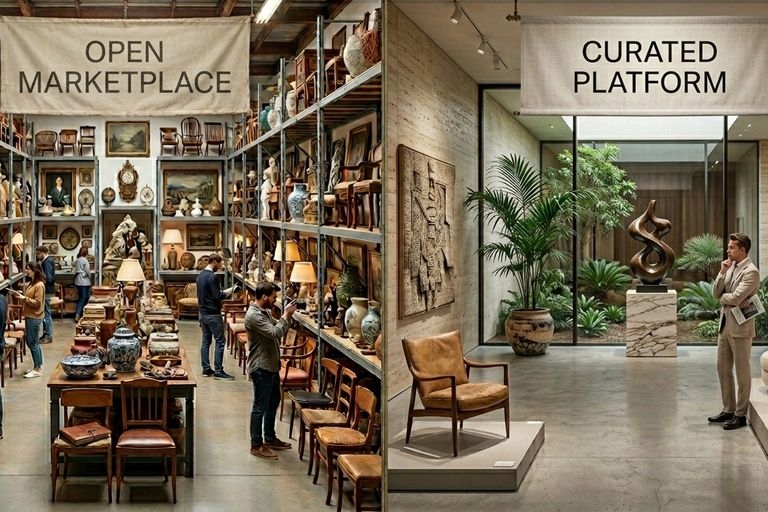
Curated platforms have also opened access. Monde Singulier works with over 150 designers from more than 20 countries, making discovery and acquisition more accessible than the gallery circuit alone. Where a collector once needed to visit five galleries in three countries to find the right piece, a platform can surface relevant work from across the globe in a single search. This is bringing new buyers into the field: younger, digitally native collectors who approach design with the same seriousness their predecessors brought to contemporary art.
Which designers and galleries define the field?
The collectible design ecosystem is built on a network of galleries, fairs, and independent creators whose work sets the market's direction.
Carpenters Workshop Gallery is the field's most prominent gallery, representing designers including Vincenzo De Cotiis, Nacho Carbonell, and Rick Owens across spaces in London, Paris, New York, and Los Angeles. The gallery's model (long-term representation, curated exhibitions, institutional placements) has become the template for the sector. Friedman Benda in New York, founded by Marc Benda in 2007, represents a parallel strand of conceptual and experimental design, with a roster that leans toward the boundary between design and sculpture. Southern Guild in Cape Town has established itself as the leading gallery for African collectible design, championing makers like Porky Hefer and Rich Mnisi whose work draws on vernacular craft traditions and refracts them through a contemporary lens.
Two annual fairs anchor the calendar: Design Miami, the field's longest-running commercial fair, and COLLECTIBLE Brussels, dedicated to contemporary collectible design since 2018. Both function as market barometers. The galleries and designers selected for each edition signal where the field is heading.
More than 45% of first-time buyers entered the collectibles market primarily for investment purposes, according to Market Decipher's collectibles report. The field is attracting capital well beyond traditional design enthusiasts.
Among the designers shaping the current moment: Vincenzo De Cotiis works with reclaimed industrial materials in a brutalist register that has earned him a following among collectors who prize raw materiality. Nacho Carbonell creates surrealist organic forms that blur the line between furniture and environment; his cocoon lamps have become some of the most recognizable objects in the field. Maarten Baas, known for his "Smoke" series of charred and refinished furniture, has seen strong appreciation at auction. The Campana Brothers (Fernando and Humberto) remain a benchmark for the field's global reach, with a major auction presence spanning two decades and work in the permanent collections of MoMA, the Centre Pompidou, and the Vitra Design Museum.
How do you start a collectible design collection?
The entry point is often a single piece that resonates: a light fixture, a side table, a sculptural mirror. Buy what you respond to before thinking about resale. Research the designer's trajectory, understand where the piece sits within their body of work, and consider how it fits within a broader interior vision. Collections built on genuine affinity tend to outperform those built on speculation.
Working with a curated platform or a knowledgeable advisor makes the process smoother, especially when navigating editions, pricing, provenance, lead times, and logistics. Gallery relationships matter: attending openings, visiting fairs like Design Miami or COLLECTIBLE Brussels, and building dialogue with gallerists gives collectors access to works before they reach the secondary market. The best pieces in the smallest editions rarely make it to auction. They are placed through gallery networks long before a paddle is raised.
Financial advisors recommend allocating 5–10% of an investment portfolio to collectibles as alternative assets, a range that reflects the category's growth potential and its inherent illiquidity compared to public equities (Vinovest, 2026 alternative assets report).
Practical considerations matter as much as aesthetics. Condition reports, certificates of authenticity, and edition documentation should accompany every acquisition. Insurance should reflect replacement value, not purchase price: collectible design appreciates, and an outdated valuation leaves a collection underprotected. Storage and handling require care appropriate to the materials. A patinated bronze console and a lacquered fiber-composite chair demand different environments.
The lines between collectible design, architecture, and contemporary art continue to blur. Designers are working on site-specific commissions with architects. Brands collaborate with collectible designers for limited capsule collections. A new generation of creators, working with sustainable materials and digital fabrication, is redefining what collectible design can look like. The underlying promise has not changed: objects made to be kept.
Frequently Asked Questions
What is collectible design?
Collectible design is a category of limited-edition or one-of-a-kind functional objects conceived by named designers with the intentionality of fine art. Each piece carries a signature, a concept, and a narrative tied to a specific creative vision.
How is collectible design different from art?
Fine art exists primarily to be contemplated, while collectible design is fully functional. A collectible chair can be sat in, but its value extends into cultural, conceptual, and financial territory.
Is collectible design a good investment?
The market shows strong growth: New York design auctions reached 65 million dollars in June 2025, up 64% year-over-year. Works by Rick Owens, Campana Brothers, and Maarten Baas have appreciated significantly.
Which galleries are most important for collectible design?
Carpenters Workshop Gallery (London, Paris, New York) is the most prominent. Friedman Benda focuses on experimental design. Southern Guild leads African collectible design. Key fairs include Design Miami and COLLECTIBLE Brussels.
How do you start collecting design?
Start with a single piece that resonates. Research the designer trajectory, visit galleries and fairs, and work with a curated platform to navigate editions, pricing, and provenance.