MS Pro
How Top Interior Designers Source Collectible Furniture for Luxury Projects
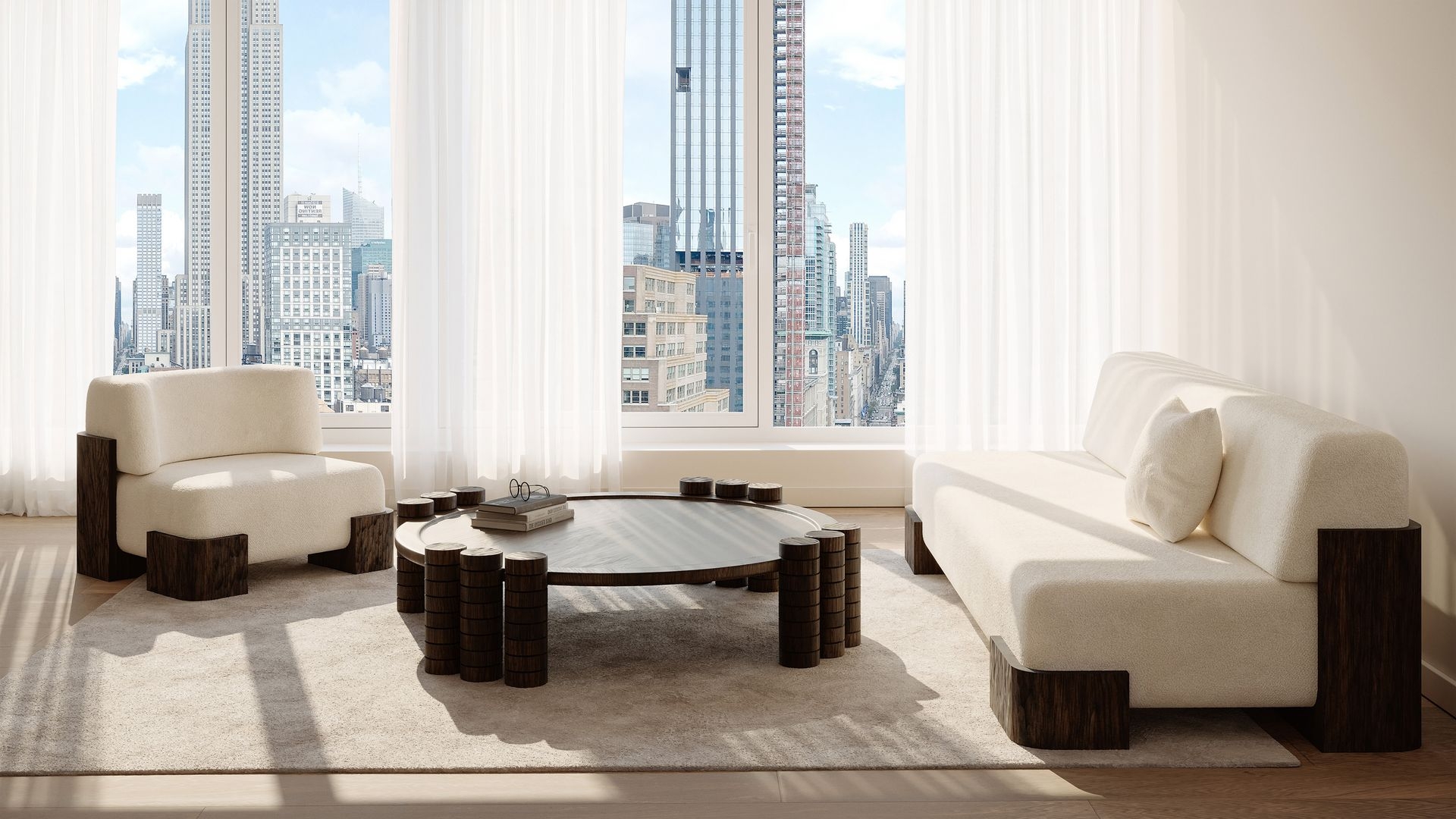
Professional furniture sourcing for interior designers is the process of identifying, evaluating, and acquiring limited-edition or one-of-a-kind pieces for client projects. It spans fair circuits, gallery relationships, digital platforms, and direct commissions with designer-makers. Unlike retail purchasing, professional sourcing requires provenance verification, lead time management, trade pricing negotiation, and coordination across residential, hospitality, and institutional project types.
Key points
- Digital platforms now account for the majority of furniture discovery among professional designers, according to the 1stDibs 2024 Annual Designer Survey.
- A clear sourcing brief before searching prevents reactive purchasing and late-stage substitutions.
- Lead times for collectible furniture range from 12 to 20 weeks. Starting late is the most common cause of project compromises.
- Curated platforms filter quality before you browse. Open marketplaces do not.
- The B2B sourcing angle remains an open gap in online content. Every ranking competitor frames sourcing as a consumer activity.
How has furniture sourcing changed for interior design professionals?
Digital platforms have shifted professional furniture sourcing from physical fair circuits to hybrid workflows. Designers now discover pieces online, verify them at fairs, and order through curated marketplaces. What used to require weeks of travel happens in days.
The old circuit still operates: Milan during Salone, Paris during Maison & Objet, London during the London Design Festival. But digital channels have compressed the timeline and widened the geographic reach.
"The model used to be sequential: you went to fairs, you met dealers, you built a network over years," said Julien Lombrail, co-founder of Carpenters Workshop Gallery. "Today a designer in Sao Paulo can find a piece by a young Dutch studio on Instagram at breakfast and have a price sheet by lunch."
According to the 1stDibs 2024 Annual Designer Survey, the share of designers sourcing the majority of statement pieces through digital channels has grown steadily since 2019. The shift is not replacing fairs and galleries. It is adding a layer that makes the whole process faster and broader.
The best studios today work across all channels at once. They discover a designer on Instagram, verify the work at Collectible Brussels or PAD Paris, order through a curated platform, and coordinate delivery with a white-glove logistics partner. One piece, four touchpoints.
What do top decorators evaluate before selecting a piece for a project?
Scale, material behavior, production lead time, then coherence with the project narrative. Those four criteria, in that order, define how experienced decorators evaluate a piece before it enters a scheme.
A piece that photographs well at a fair can feel wrong in a room with different ceiling heights and light conditions. Material behavior matters next, especially for hospitality projects where durability is non-negotiable. Then lead time: if a piece takes 16 weeks to produce and the project deadline is in 12, no amount of beauty makes it work.
"I always start with the room, not the object," said India Mahdavi, architect and designer, founder of Studio India Mahdavi in Paris. "You can fall in love with a piece at a fair, but if the scale is wrong or the lead time does not fit the project calendar, love is irrelevant."
According to industry data from ASID, the average lead time for made-to-order collectible furniture ranges from 12 to 20 weeks, making early procurement one of the top risk factors cited by studio principals.
Beyond the measurable criteria, there is the question of coherence. Does this piece belong in the story the space is telling? Does it dialogue with the architecture, the other objects, the client's personality? The best designers develop an intuitive sense for this, but that intuition is built on deep knowledge of design history and material culture.
How do interior designers build and maintain a reliable sourcing network?
Fair circuits first, starting with satellite exhibitions like Alcova in Milan and the Fuorisalone, where emerging talent shows before gallery representation. Then direct designer relationships, regular gallery visits, and trade organization memberships build out the network over time.
"Go to the satellite shows, not just the main halls," said India Mahdavi, architect and designer, founder of Studio India Mahdavi in Paris. "That is where you find the next generation before the galleries do."
Regular gallery and showroom visits build familiarity. Direct relationships with designers whose work aligns with your aesthetic vision create access to pieces before they reach the broader market.
According to AD100 editorial data from Architectural Digest, top-ranked interior designers attend between 3 and 6 international design fairs annually as a primary sourcing channel. The calendar structures the year: Collectible Brussels in March, PAD Paris and Salone del Mobile in April, Design Miami Basel in June, PAD London in October, Design Miami in December.
Instagram has become a legitimate discovery tool. Designers and makers share work-in-progress, studio shots, and finished pieces. Following the right accounts creates a sourcing feed that would have taken a generation to build through physical networking alone.
Trade organizations open additional doors. AD100 listings, ASID and BIID memberships, and design award juries all create access to closed networks.
Why do high-end studios write a sourcing brief before searching?
The most efficient sourcing starts with a clear brief. Before any searching begins, the best studios define what they need for each zone of a project: function, approximate dimensions, material palette, budget range, and a mood reference (often a collage of images capturing feeling rather than literal form).
This brief becomes the filter through which every potential piece is evaluated. Without it, sourcing turns reactive and unfocused, producing beautiful pieces that don't serve the project.
According to the BIID 2023 Interior Design Industry Report, practices that use structured project documentation reported 40% fewer procurement delays than those without formal briefs.
The brief also streamlines communication with platforms and galleries. Instead of browsing open-ended, the studio sends specifications. The platform responds with a shortlist. Time saved on both sides.
What are the most common furniture sourcing mistakes professionals make?
The most common mistake is falling in love with a piece in isolation. Fair environments and gallery settings are designed to make objects look their best: neutral walls, controlled lighting, minimal context. The reality of a client's home or a hotel corridor is different. Scale, adjacency, and light all change.
Another frequent error is underestimating lead times. Collectible and artisanal pieces are made to order. Production timelines can extend to several months. Starting the sourcing process late in a project almost always leads to compromises, either in quality or in the design intent.
According to sourcing data from 1stDibs and auction house reports, procurement delays are among the most commonly cited causes of interior project overruns.
A third mistake: stopping too early. Many designers settle once they find something adequate. The difference between a good interior and a great one often comes down to the last piece, the one found because the designer kept searching.
How does a curated platform integrate into a professional sourcing workflow?
Unlike open marketplaces where anyone can list anything, a curated platform acts as a first filter. The editorial selection separates the exceptional from the adequate before the designer ever opens the catalog.
For a busy studio managing multiple projects, this filter saves real time. Instead of scrolling through thousands of listings, the designer browses a pre-selected catalog where every piece meets a standard of quality, originality, and craft.
According to Bain & Company's 2024 Luxury Study, the personal luxury goods market reached EUR 363 billion globally, with curated digital platforms growing their share of design transactions. The collectible segment follows the same trajectory.
The best platforms go further. They offer trade pricing, facilitate custom commissions, handle production follow-up, and provide logistical support including international shipping, customs, and white-glove installation. They function as an integrated sourcing partner, not a catalog.
Monde Singulier Pro was built for this purpose: giving architects and interior designers access to a curated roster of over 150 contemporary collectible designers, with trade pricing, dedicated project support, and a turnkey approach from selection to installation.
Frequently Asked Questions
What is the difference between vintage and collectible furniture for interior designers?
Vintage refers to pieces at least 20 years old, valued for their age and condition. Collectible design refers to limited-edition or one-of-a-kind works by named designers, valued for artistic merit and authorship. A 1970s Maison Jansen cabinet is vintage. A Pierre Chapo T14 table produced in a series of 12 is collectible. The distinction matters for pricing, provenance documentation, and resale trajectory.
How do interior designers verify the provenance of a furniture piece?
Professional studios cross-reference gallery certificates, auction records (Christie's, Sotheby's, Phillips), and direct communication with the designer's atelier or estate. For mid-century pieces, catalogues raisonnes and exhibition histories provide additional verification. Curated platforms like Monde Singulier handle provenance vetting before listing.
What is a sourcing brief in interior design?
A sourcing brief is a document prepared before any searching begins. It defines each zone of a project by function, approximate dimensions, material palette, budget range, and mood references. Studios that begin with a formal brief report fewer last-minute substitutions than those that source reactively.
What is a trade program for interior designers and how does it work?
A trade program gives verified design professionals access to preferential pricing, priority on new editions, dedicated project support, and custom commission facilitation. Monde Singulier Pro, for example, offers trade pricing across 150+ contemporary collectible designers, production follow-up, and white-glove logistics.
How much lead time should interior designers allow for collectible furniture?
Most collectible and made-to-order pieces require 12 to 20 weeks from commission to delivery. Add 2 to 4 weeks for international shipping and customs. Studios that start sourcing in the schematic design phase rather than during construction documentation avoid the most common project delays.