· 4 min read
FF&E procurement for luxury projects, from A to Z (the unglamorous part that decides everything)
By Maxime
FF&E stands for furniture, fixtures and equipment: the movable pieces that stay in a project for years, from sofas and dining tables to lighting. The hotel trade sets it against OS&E, the operating supplies such as linen, glassware and toiletries. FF&E is what stays, OS&E is what gets replenished, and this guide is about what stays.
Our opinion: on a high-end project, the piece is almost never the problem. The problem is everything between the client's yes and the install day. Here is how to run that stretch, from A to Z.
A for brief: write it before anyone falls in love
Before anyone opens a catalogue, write one line per zone of the project: function, approximate dimensions, material palette, budget range and a mood reference. It feels slow. It is the fastest thing you will do all project.
The brief is the filter every candidate piece goes through. Without it, sourcing turns reactive: you buy what looked wonderful under gallery lighting, then spend three weeks looking for a room where it fits.
A good brief also holds a date. Not "spring", an actual install date, because every decision that follows (in stock or made to order, finish, shipping) is a calendar decision in disguise.
Sourcing: three options per spot, not thirty
Open marketplaces give you infinity, which is a polite word for homework. A curated selection does the first round of filtering before you scroll. At Monde Singulier, that means more than 90 designers, 40 collections created for the gallery and The Vestige for 20th-century pieces.
Ask for three options per spot, each within budget and compatible with the install date. Three is enough to compare and few enough to decide in one client meeting. That is the logic of our Brief to Board service: you send budget, vibe and install date, and get back three options per spot on a white-label board, with a consolidated quote within 24 business hours.
Then check the things nobody checks. Scale in the real room, not the showroom, plus light, adjacency and the way a door swings past the armchair. If you are new to buying at this level, our guide on how to buy collectible design covers the basics.
Specification: decide the finish before the client decides the piece
Finishes are not a detail, they are a budget line. The Ert club armchair by Studioutte makes the point: in burl wood it shows at around €7,600, in pewter at around €16,100. Same silhouette, more than double the price.
So the finish goes in the brief, not in the last meeting. If you are hesitating between materials, our guide to luxury furniture materials explains what travertine, lacquer, burl and pewter actually ask of you.
For hotels, restaurants and other public spaces, put the local fire rules in the specification from day one. In the United Kingdom, for instance, most contract upholstery has to meet BS 5852 Crib 5, a test of the whole assembly of fabric, filling and interliner. Finding out after the sofa is upholstered is a very expensive way to learn it.
Production: in stock or made to order, let the calendar choose
Many of the pieces we present are made to order, and that is good news: finishes and dimensions can often be adapted with the designer. The trade-off is time. Ask for the production lead time in writing, piece by piece, and plan backwards from the install date.
When the calendar is tight, start with what already exists. Some pieces are in stock at our Paris showroom, rue de Rivoli, such as the Madeleine convertible table by Necchi Architecture, a black lacquered unique piece at around €27,500. Your client can see it before buying it, which convinces more than any render.
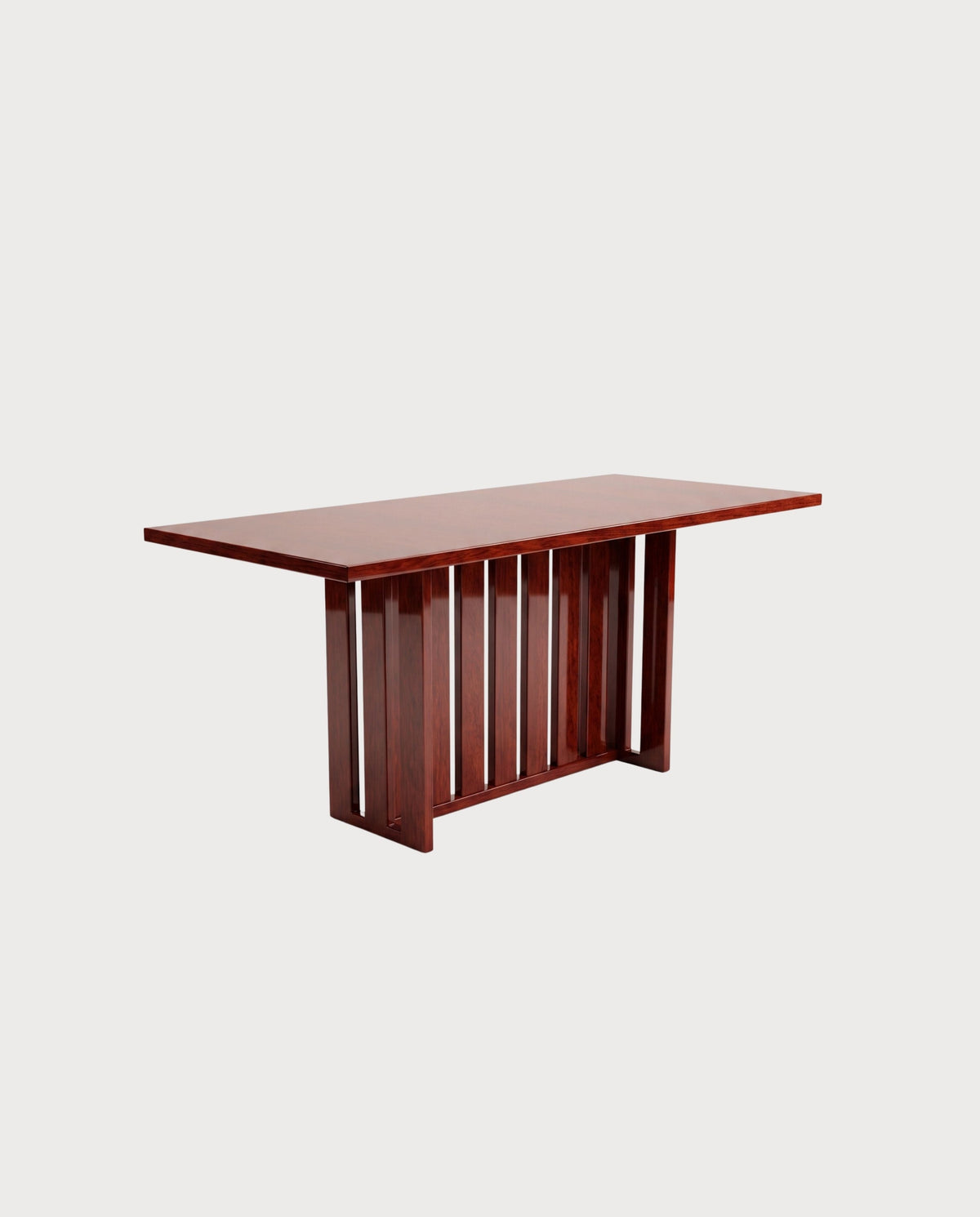
For volume, look at editions. MS Editions is our own line of furniture and lighting, and the Cardinal collection pairs a dining chair at around €1,100 with a dining table at around €4,000. Seating a dining room in series becomes arithmetic rather than a leap of faith.
Delivery and installation: the last fifty metres
Insured delivery is the minimum. What changes a handover is white-glove installation: the client discovers a finished room, not a stack of crates in the hallway.
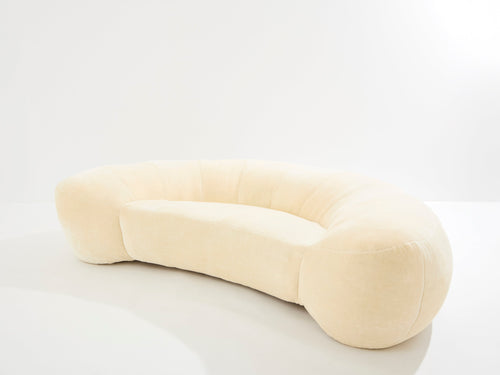
Check access before shipping, not on the day. Lift dimensions, staircase turns, parking for the truck, building hours. The Romance sofa from MS Editions (around €6,800 to €8,400 depending on the upholstery) is a joy in a salon and a puzzle in a narrow stairwell.
Prices shown on the site including VAT, November 2026.
Z for one point of contact
Most procurement trouble comes from handovers: the studio, the gallery, the workshop, the shipper and the installer each hold a piece of the truth. Every handover is a chance for a dimension or a finish to get lost.
That is why our Conciergerie for architects, interior designers and hotels runs the whole chain with one dedicated contact: sourcing, production, project management, insured delivery and white-glove installation. Professionals can also join MS Pro, our trade program.
Our advice: write the brief this week, even if the install is a year away. Time is the only material you cannot order more of.
Where to start
Pick one zone of your current project and write its five lines: function, dimensions, palette, budget, date. Send them to a Conciergerie advisor and you get back real pieces, real prices and a calendar that holds.
The pieces we mention


A piece on your mind?
Prices, lead times, finishes: an advisor answers you personally.
Keep reading
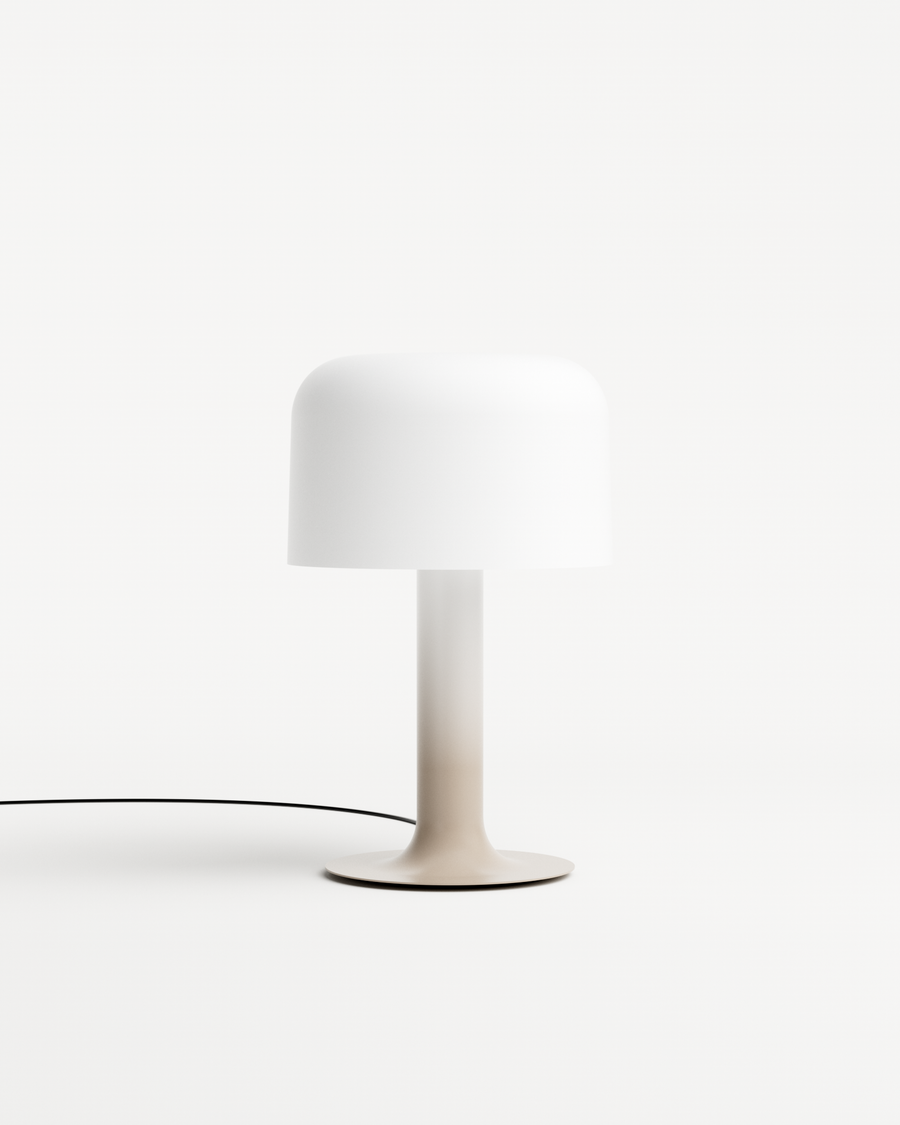
Limited edition furniture, unique piece, prototype: what you are really buying (the paperwork matters more than the adjective)
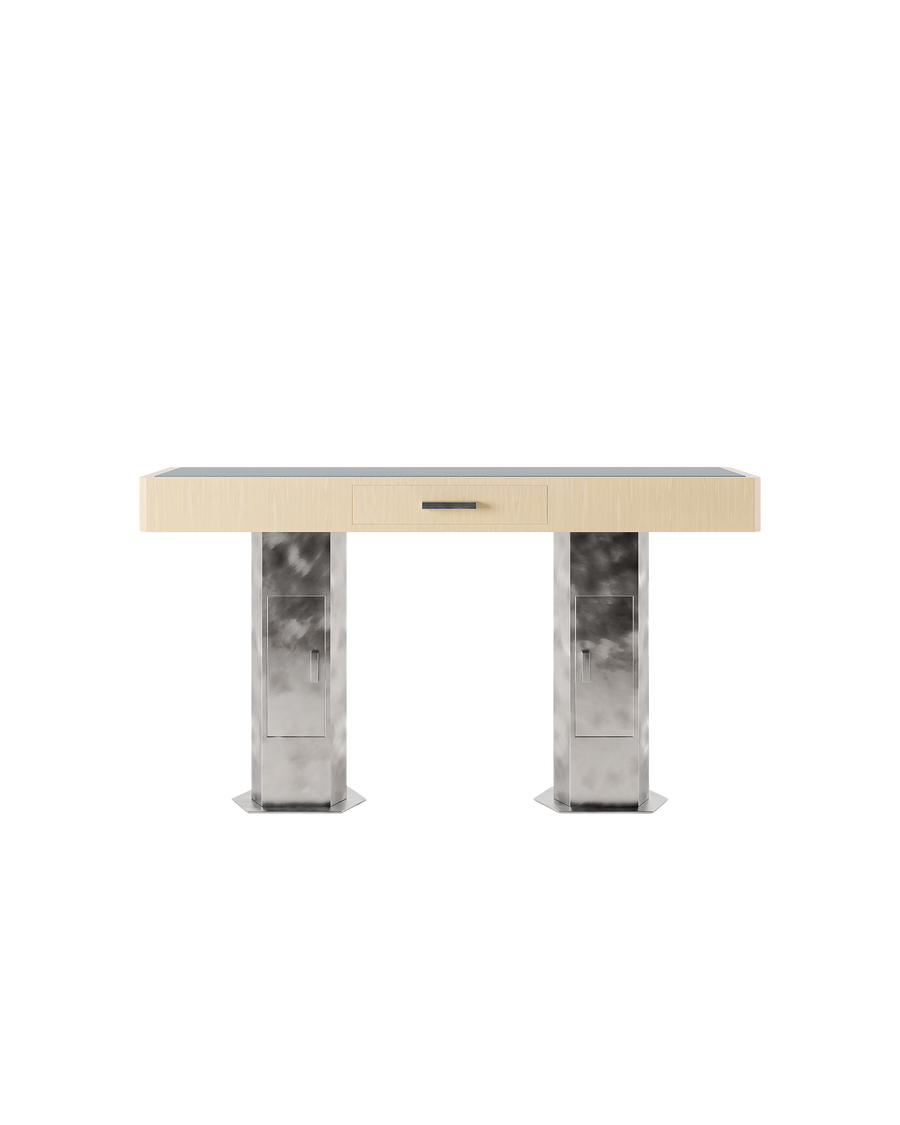
Created for Monde Singulier: 40 collections of exclusive designer furniture (good luck finding them elsewhere)